Houston Receives $12 Million to Connect Homelessness, Addiction Treatment and Recovery Services
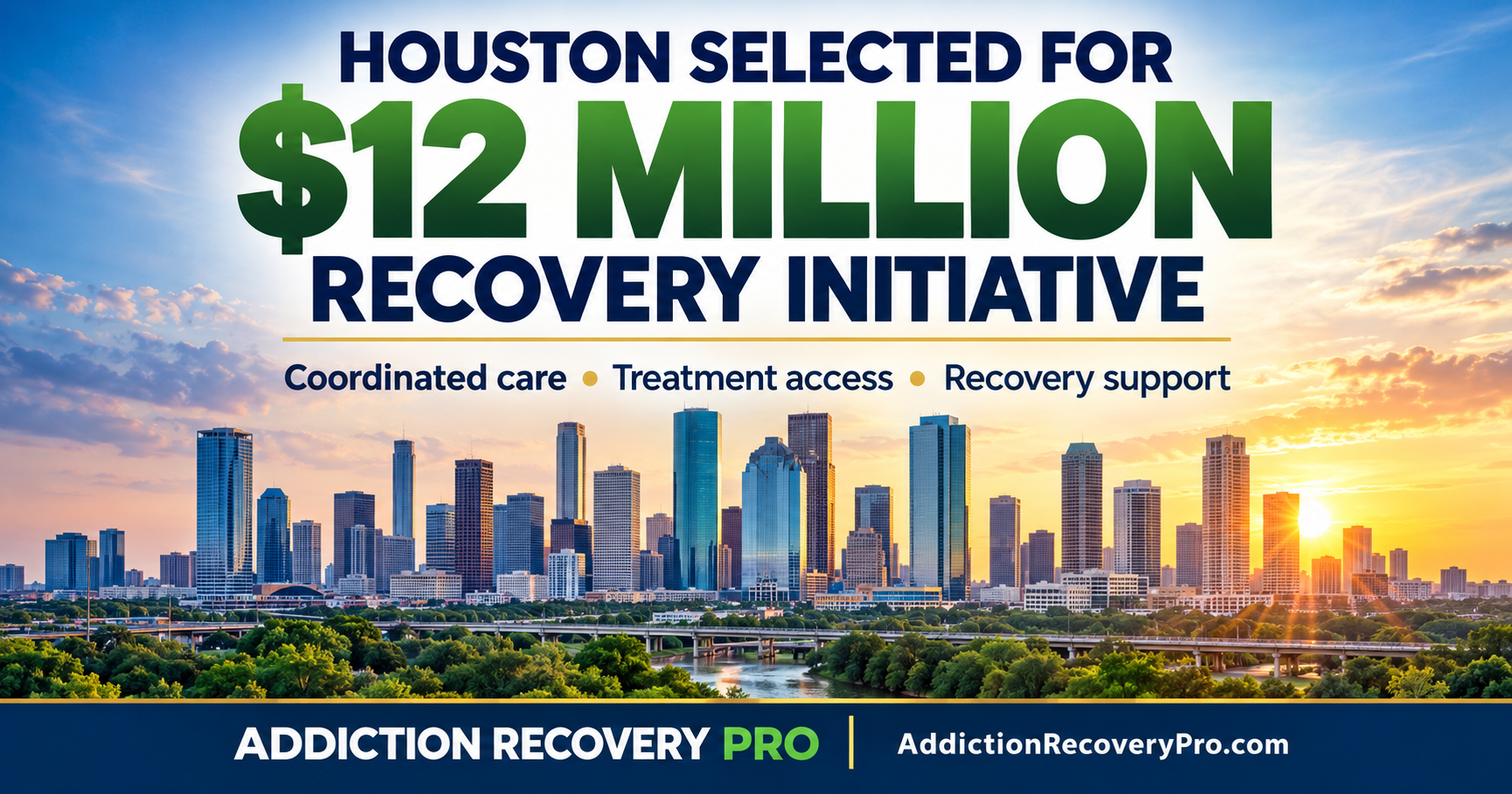
Houston will receive $12 million over four years through a new federal initiative designed to connect people experiencing homelessness with medical care, behavioral-health treatment, substance-use services, housing support and long-term recovery resources.
Houston Receives $12 Million to Connect Homelessness, Addiction Treatment and Recovery Services
Houston has been selected to receive $12 million in federal funding for a coordinated effort addressing homelessness, serious mental illness, substance-use disorders and related medical needs.
The award is part of the new Safety Through Recovery, Engagement, and Evidence-based Treatment and Support program, known as STREETS. The program is administered by the Substance Abuse and Mental Health Services Administration.
Houston is one of eight communities selected nationwide. Each participating community is scheduled to receive $3 million annually for four years.
What will Houston create?
The Houston Health Department and its community partners plan to use the funding to support the forthcoming Houston Health Respite, Recovery, and Transitional Housing Center.
The center is intended to serve people experiencing homelessness who also face medical illness, serious mental illness, a substance-use disorder or a combination of these conditions.
According to the Houston Health Department, the project will coordinate:
• Medical respite care • Behavioral-health assessments and services • Substance-use treatment and recovery support • Housing navigation • Transitional housing assistance • Workforce and job-readiness support • Community-based support services • Continued engagement following an immediate crisis
Medical respite care can help people who no longer require hospitalization but remain too medically vulnerable to recover safely without additional assistance. Instead of leaving a hospital and returning immediately to the street, eligible participants could enter an environment where medical care and other support services are coordinated.
Why coordination matters
People experiencing homelessness and addiction frequently encounter several different systems: hospitals, treatment providers, mental-health services, shelters, law enforcement, courts and housing organizations.
When those services are disconnected, a person may be expected to arrange transportation, complete multiple applications, repeat personal information and locate different providers while already managing a serious health or behavioral-health crisis.
The Houston initiative is designed to reduce that fragmentation by bringing organizations together around a coordinated system of care.
The Houston Health Department says the center will combine healthcare, behavioral health, housing and community services under a public-health model. An advisory group that includes people with lived experience will help guide program design, service coordination, community engagement and performance monitoring.
Lived experience will play a role
One notable part of the Houston plan is the proposed use of community health workers with lived experience.
People who have personally experienced homelessness, addiction, mental illness or recovery can sometimes establish trust with participants who may be hesitant to interact with traditional institutions. These workers are expected to support engagement, treatment continuity and connections to longer-term resources.
This does not replace licensed medical or behavioral-health professionals. Instead, it can provide an additional bridge between individuals and the organizations responsible for their care.
Who is involved?
The Houston Health Department reports that 27 partner organizations supported its grant application.
Several organizations have already been identified for major roles:
• The Harris Center will serve as the clinical behavioral-health lead.
• Harris Health System and Healthcare for the Homeless–Houston will serve as medical-respite providers.
• Open Door Houston will lead educational and job-readiness services.
• The UTHealth Houston School of Public Health will serve as the external evaluator.
The broader STREETS model also encourages collaboration among local governments, healthcare providers, behavioral-health organizations, housing partners, first responders, courts, law-enforcement agencies and community groups.
Why This Matters
Addiction rarely exists in isolation. A person may simultaneously face untreated medical conditions, unstable housing, mental-health challenges, unemployment, transportation barriers and difficulty understanding how to enter treatment.
Funding alone does not guarantee successful outcomes. The practical value of Houston’s initiative will depend on how effectively participating organizations communicate, make referrals, maintain contact with participants and support movement from crisis services into sustained recovery.
Important implementation questions remain, including the center’s final location, eligibility and referral procedures, opening timeline, available capacity and how people will move from short-term respite care into appropriate long-term services.
Addiction Recovery Pro will continue monitoring these details as Houston releases additional information.
What Families Should Know
The announcement does not mean that the center is currently open or accepting direct public admissions.
Families should not delay seeking assistance while the new program is being developed. People looking for treatment can use established treatment locators, contact local behavioral-health authorities or speak directly with appropriately licensed treatment providers.
If someone is experiencing an immediate medical emergency, call 911. Anyone experiencing a mental-health or substance-use crisis can call or text 988. The national treatment locator is available at FindTreatment.gov.
Addiction Recovery Pro Perspective
Houston’s award represents more than the creation of another program. It reflects a broader effort to organize healthcare, addiction treatment, housing support and recovery services around the needs of the individual.
For the initiative to work, people must be able to understand what help is available, determine whether they qualify and connect with the right organization without becoming lost between different systems.
Addiction Recovery Pro believes clear information and accessible resource navigation can help close that gap. As Houston develops the program, ARP will follow its progress and explain new eligibility requirements, referral pathways, service partnerships and public-access information when those details become available.
This article is provided for general educational and informational purposes. Addiction Recovery Pro is not a treatment provider, medical provider or emergency service, and inclusion of an organization does not constitute an endorsement or guarantee of services.
Original sources
Explore Treatment and Recovery Resources
Search licensed treatment facilities and recovery support by state and city.
Explore Treatment and Recovery ResourcesAddiction Recovery Pro provides educational and informational resources. This article is not medical advice, diagnosis, treatment, legal advice or emergency assistance. Information may change after publication. Consult qualified professionals and original sources when making health, legal or treatment decisions.