Adapt’s Roseburg Recovery Campus Would Increase Residential Capacity to 50 Beds
Adapt Integrated Health Care is building a new 50-bed residential treatment facility in Roseburg, Oregon. The planned Diamond Lake Recovery Campus would more than double the capacity of Adapt’s current 21-bed Crossroads program.
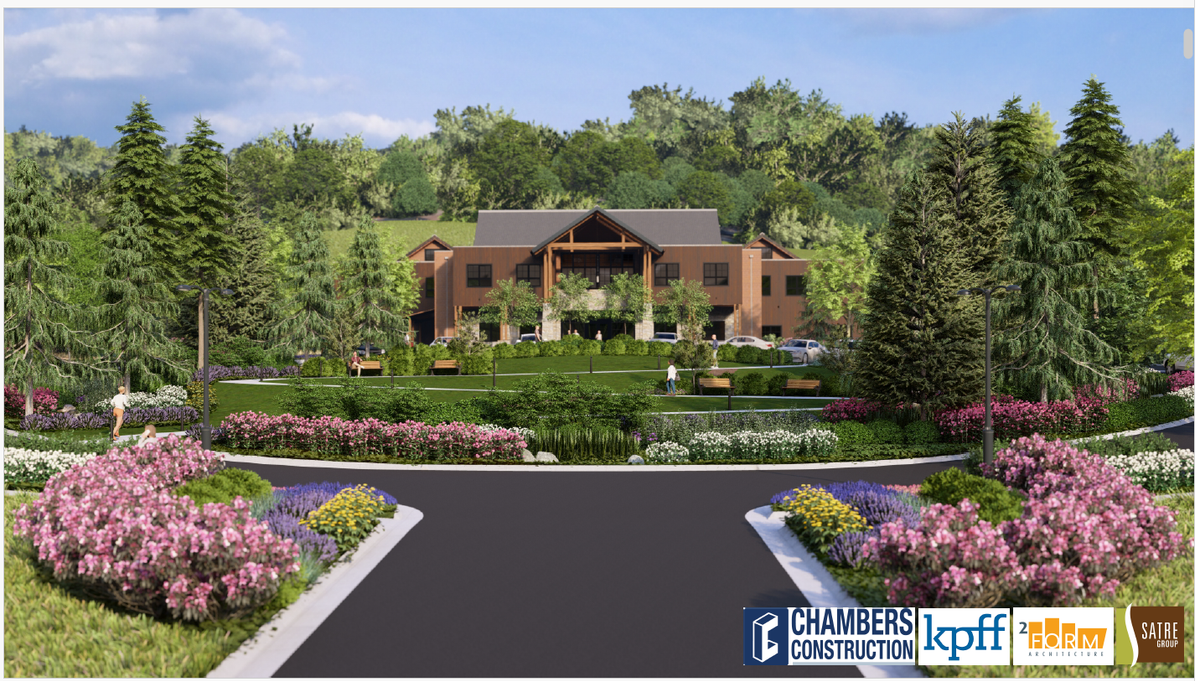
Adapt Integrated Health Care has named its developing Roseburg treatment property the Diamond Lake Recovery Campus and its planned residential facility Crossroads Lodge.
The new facility is designed to increase Adapt’s adult residential substance-use treatment capacity from 21 beds at the existing Crossroads program to 50 beds.
Construction is underway along Northeast Diamond Lake Boulevard in Roseburg. The first phase is expected to cost approximately $20 million, and previous reporting projected completion during late 2027. Adapt has not announced a specific opening date.
The planned 50-bed facility is not currently available for admission. People seeking residential treatment should continue using Adapt’s existing Crossroads contact information and confirm current services and availability directly.
Continuing more than four decades of treatment
Adapt’s Crossroads program has provided residential substance-use treatment in Southern Oregon since 1982.
The current program serves adult men and women in a structured residential environment. Adapt reports providing individualized treatment, services for co-occurring conditions, trauma-informed care, family programming, onsite medical support and referrals across a broader continuum of care.
The new Crossroads Lodge is intended to continue that work with more space, updated treatment areas and greater capacity.
Adapt says the planned facility will include separate treatment programs, living spaces and common areas for men and women. The provider believes this layout will support privacy and more individualized responses to trauma and other recovery needs.
Integrated services on one campus
Plans for the Diamond Lake Recovery Campus extend beyond additional residential beds.
Adapt says the property will support peer services, primary care, outdoor activities and larger dining and living areas. The site is also being designed with room for future buildings and services.
That integrated approach may help residents address needs that can complicate recovery, including physical health conditions, mental health concerns and the transition into continuing care.
Residential treatment is one stage of a longer process. The value of an expanded facility will depend partly on how effectively residents are connected with outpatient treatment, medication, recovery housing, primary care, transportation, employment assistance and community support after discharge.
Existing services remain active
Adapt currently lists Crossroads Adult Residential Treatment at 3099 NE Diamond Lake Boulevard in Roseburg.
The provider identifies a 21-bed residential program and separate detoxification services. Adapt’s current program information describes behavioral and medical staff, individualized treatment planning, transportation to certain appointments, family programming and onsite support.
The existing program should not be confused with the future 50-bed Crossroads Lodge. ARP will continue distinguishing between currently operating capacity and beds that remain under construction.
Families should contact Adapt directly to ask about assessment, eligibility, payer participation, current availability and the appropriate level of care.
A regional capacity increase
Moving from 21 to 50 residential beds would add 29 beds and increase capacity by approximately 138 percent.
For Douglas County and neighboring Southern Oregon communities, that could mean more people receiving residential care without traveling to another part of the state. It could also create additional referral opportunities for hospitals, outpatient providers, courts, tribal health programs and community recovery organizations.
A larger building alone will not guarantee timely access. The campus will also require adequate clinical, medical, peer and residential staff. Workforce recruitment and retention will be important indicators as the project approaches completion.
Why This Matters
Residential capacity is often discussed as a statewide number, but access is experienced locally. A bed several hours away may be difficult to reach, particularly for someone without reliable transportation or family support.
Adding 29 residential beds in Roseburg would represent a meaningful regional increase. The campus could reduce travel, allow more residents to remain connected to family and improve coordination with local outpatient and medical providers.
The inclusion of primary care, peer support and room for additional services is also important. Substance-use treatment is more effective when health, mental health and continuing-recovery needs are not treated as unrelated problems.
However, the project’s impact should not be measured only by its eventual bed count. Timely assessments, qualified staffing, payer access, retention, discharge planning and connections to long-term support will determine whether the expansion translates into sustained community benefit.
Addiction Recovery Pro Perspective
Addiction Recovery Pro views Adapt’s planned expansion as a positive investment in Southern Oregon’s treatment continuum.
Crossroads has served the region for more than 40 years. Expanding from 21 to 50 beds while retaining the program’s established identity may allow Adapt to build on existing clinical experience rather than starting an entirely new service model.
We are particularly encouraged by plans to connect residential treatment with primary care, peer support and other behavioral-health services. Recovery often depends on whether people receive help for physical health, trauma, mental health and practical barriers alongside their substance-use treatment.
The proposed gender-specific treatment and living areas may also give staff more flexibility to address privacy, trauma history and individualized needs.
ARP will nevertheless maintain a clear line between planned and available capacity. Crossroads Lodge remains under construction, and the 50 beds should not appear in treatment searches as though admissions are currently available.
As the project advances, ARP will look for verified information about the opening schedule, staffing, accepted payment sources, admission criteria and how residents will transition into continuing care.
Original sources
Explore Treatment and Recovery Resources
Search licensed treatment facilities and recovery support by state and city.
Explore Treatment and Recovery ResourcesAddiction Recovery Pro provides educational and informational resources. This article is not medical advice, diagnosis, treatment, legal advice or emergency assistance. Information may change after publication. Consult qualified professionals and original sources when making health, legal or treatment decisions.