Agape Community Services Opens Outpatient Addiction Care in Sioux City
Agape Community Services has opened licensed outpatient substance-use services in Sioux City while its larger recovery campus remains under construction. The new program combines clinical care, peer support and limited transportation assistance.
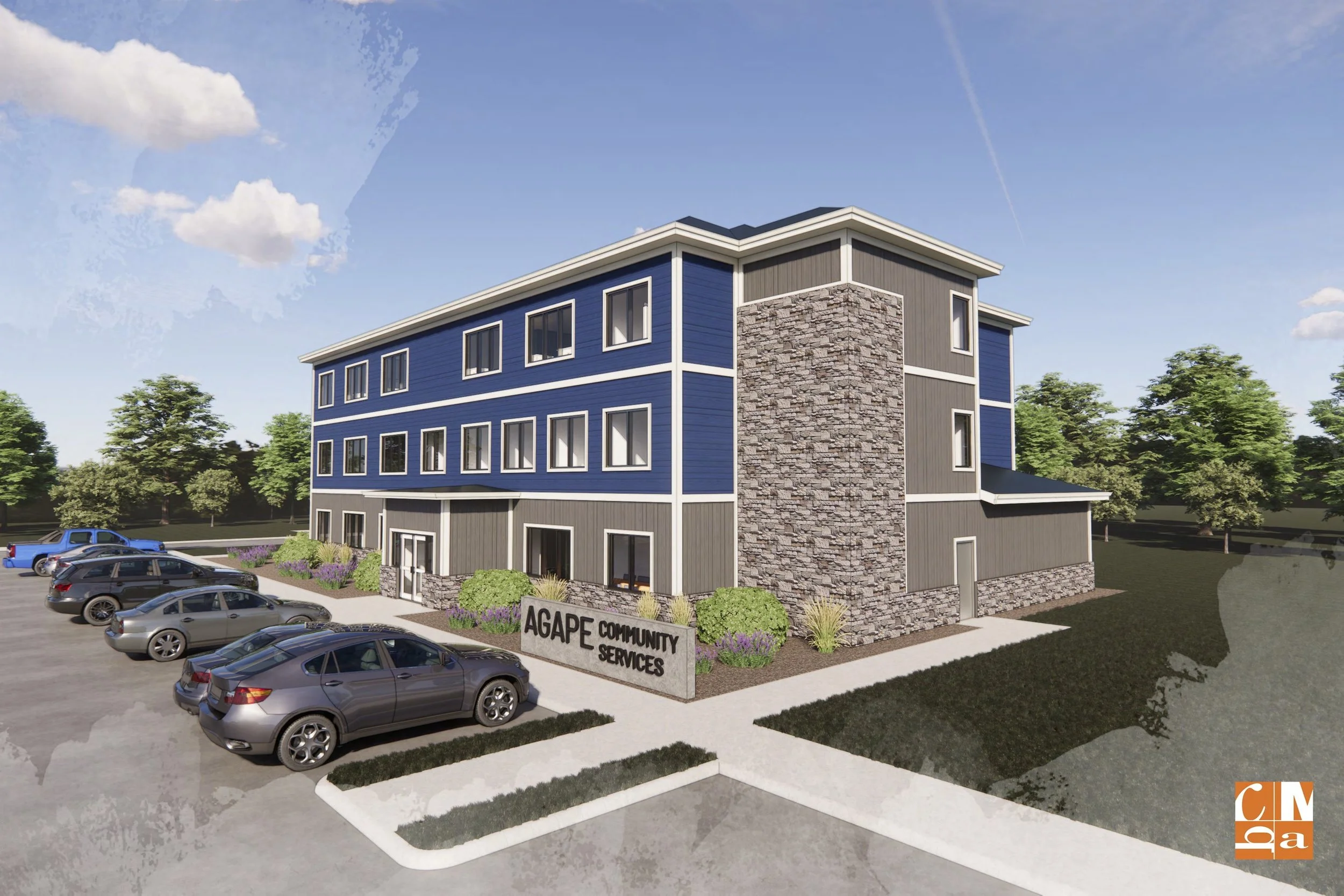
Agape Community Services has begun providing licensed outpatient substance-use treatment in Sioux City, Iowa, creating a new point of entry for adults who need structured care but may not require residential treatment.
The organization celebrated the program with a November 17 ribbon cutting. Services began November 9, and Agape reported serving seven people during the first week.
The outpatient program currently operates from temporary space at Peace Reformed Church. It serves men and women and builds on Agape’s existing Recovery Café model, which provides a recovery-oriented community environment.
Agape also says transportation is available from select locations, an important detail in a region where the distance between a person and a treatment appointment can become a practical barrier to care.
Outpatient care as an earlier point of connection
Outpatient treatment allows people to receive clinical services while continuing to live at home or in another community setting. Depending on an individual’s needs and the program’s design, care may include assessments, counseling, group services, recovery planning, peer support and coordination with medical or behavioral-health providers.
It is not a substitute for detoxification, inpatient care or residential treatment when those levels are clinically indicated. Its value is flexibility.
Some people delay seeking help because they believe treatment will automatically require leaving work, family or housing for an extended period. A visible outpatient option can correct that misconception and provide an earlier opportunity for intervention.
Outpatient services can also support people after residential care, during transitions from incarceration or while they wait for another appropriate placement.
The right level of care should be determined through a proper assessment rather than convenience alone. Still, a community with multiple levels of care is better positioned to respond to different needs than one relying on a single program.
Seven people in the first week
Seven participants may sound modest when compared with national treatment statistics, but an opening week is not a fair measure of a program’s long-term potential.
Each initial participant can help a new provider refine intake procedures, transportation arrangements, referral relationships and scheduling. Early utilization also suggests that people were already looking for this type of service.
The next questions are how quickly the program can respond to new inquiries, what services are available, which payment sources are accepted and how Agape will coordinate care with hospitals, courts, employers, recovery residences and other treatment providers.
Clear public information will be important as the program grows. Families should be able to determine whom to call, what documentation to bring, whether an appointment is required and what happens if someone needs a higher level of care.
Transportation and the geography of treatment
Transportation deserves particular attention.
A treatment opening does not create practical access if people cannot reach it. Limited public transit, unreliable vehicles, fuel expenses and the loss of a driver’s license can all interfere with care. Missed appointments may be treated as a lack of motivation even when transportation is the real problem.
Agape’s statement that transportation is offered from select locations is therefore meaningful. The precise boundaries, scheduling requirements and availability should be confirmed directly with the provider.
Transportation support can improve initial engagement and continuity, but it must be dependable. If the service expands, tracking missed appointments, travel distances and referral origins could help Agape identify where additional pickup points or community partners are needed.
A larger recovery campus is taking shape
The outpatient opening is occurring while Agape develops a larger permanent facility projected for completion in summer 2027.
Previous reporting on the project described plans for long-term residential recovery services. Iowa has committed $2 million in opioid-settlement funding to the development, which has been described as a planned 65-person program with stays potentially lasting nine to 12 months.
The current outpatient opening should not be confused with completion of that residential campus. The temporary program and future facility represent different stages of Agape’s growth.
That phased approach may have advantages. Beginning outpatient services before construction is complete allows the organization to establish referral relationships, learn more about local demand and begin serving people immediately.
It may also create continuity once the larger campus opens. Some people may enter through outpatient services, move to a more intensive level of care if needed and later return to outpatient or peer support.
Recovery Café as a community bridge
Agape’s Recovery Café foundation is relevant because treatment engagement often depends on relationships and trust.
A clinical program can assess and treat substance-use disorders, but people also need places where recovery is reinforced through connection, routine and belonging. Peer-oriented spaces can provide a less intimidating entry point for someone who is unsure whether they are ready for formal treatment.
Clinical care and peer support should remain clearly defined. Peer services are not a replacement for licensed treatment, and outpatient treatment is not the same as a social support program. When the roles are understood, however, the two can complement each other.
What families should verify
Anyone seeking help through Agape should contact the program before traveling and ask about:
- Current intake availability
- Required appointments and documents
- Services offered at the temporary location
- Transportation eligibility and pickup areas
- Insurance, Medicaid and self-pay arrangements
- Medication policies and access to medication for opioid-use disorder
- Procedures for people needing withdrawal management or residential care
- Connections to housing, medical care and mental-health services
In an emergency or suspected overdose, call 911. The opening of a new program does not replace emergency medical care.
Why This Matters
Nationally, approximately 44.6 million people age 12 or older had a substance-use disorder in 2025, yet only about 16% of those needing treatment received it. One reason for that gap is that people do not always know where to begin or believe treatment will fit their lives.
A local outpatient option can make the first step more manageable. It can also provide a place for hospitals, courts, probation programs, employers, families and peer organizations to send people who need an assessment and structured support.
Agape’s combination of clinical services, a recovery-community foundation and transportation from selected locations addresses several barriers at once. The effectiveness of that model will depend on capacity, accessibility and strong referral coordination.
Addiction Recovery Pro Perspective
Addiction Recovery Pro views this opening as a positive development because it adds an immediate service while Agape works toward a larger long-term vision.
The best treatment systems do not force every person through the same door. They offer multiple entry points, conduct appropriate assessments and help people move to the level of care that matches their needs.
Agape now has an opportunity to build a referral network before its permanent campus opens. Hospitals, local health providers, courts, recovery residences, employers and peer organizations should know exactly how to connect someone with the program.
ARP would also encourage Agape to publish clear intake information, transportation details, payment options and service limitations. Accurate public information reduces frustration and helps families make better decisions during stressful moments.
BROADER RECOVERY IMPACT: Sioux City’s experience could demonstrate how a recovery organization can grow in stages rather than waiting for a major campus to be complete.
Opening outpatient care first allows services to begin, establishes community visibility and creates data about demand. When the residential component opens, the organization may already have an operating referral network and a community of people connected through outpatient care and the Recovery Café.
That type of continuity is important. Recovery is rarely a straight line, and people benefit when a provider can remain connected as their needs change.
Treatment options in this location
Original sources
Explore Treatment and Recovery Resources
Search licensed treatment facilities and recovery support by state and city.
Explore Treatment and Recovery ResourcesAddiction Recovery Pro provides educational and informational resources. This article is not medical advice, diagnosis, treatment, legal advice or emergency assistance. Information may change after publication. Consult qualified professionals and original sources when making health, legal or treatment decisions.