Nine Barren County Groups Advance in $500,000 Opioid-Funding Process
Nine Barren County organizations are scheduled to pitch projects for a share of $500,000 in opioid-settlement funds. The groups are finalists, not award recipients, and final county approval is expected in mid-December.
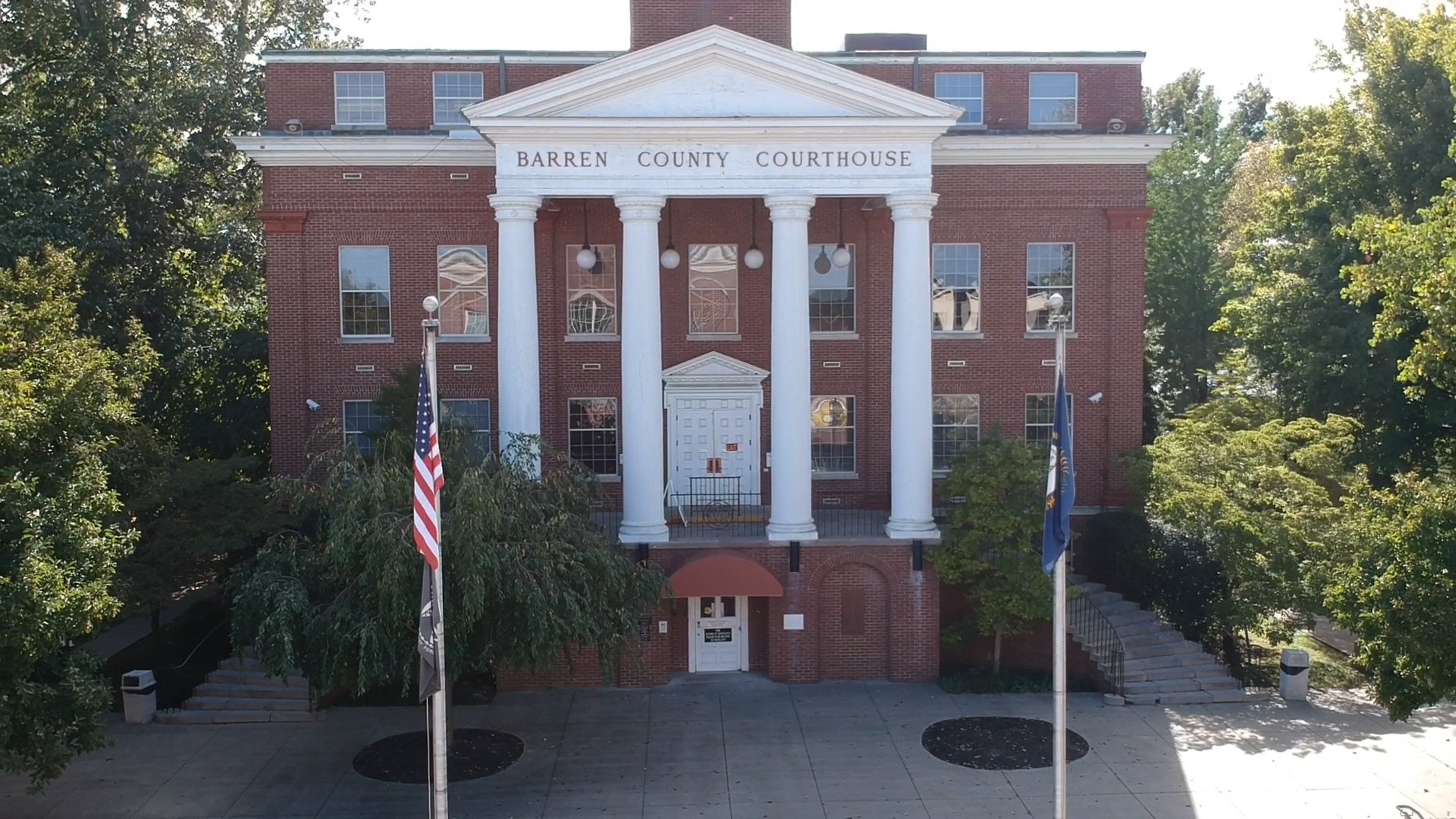
Nine organizations in Barren County, Kentucky, have advanced to the presentation stage of a local opioid-settlement grant process.
Each group is scheduled to make a brief presentation November 16 to the Barren County Opioid Settlement Committee, which is considering how to distribute approximately $500,000.
The nine applicants identified for interviews are Barren River Area Development District, Bethesda, Commonwealth Broadcasting, Community Partners for Recovery, Bridge Kentucky, Next Steps, Barren County Drug Court, Barren County Progress and Turn the Page Case Management.
Advancement to an interview does not mean that any applicant has received funding.
Barren County’s grant materials say the money is intended to support the development, implementation, enhancement or expansion of evidence-based strategies and promising practices addressing the effects of the opioid and overdose crisis.
Eligible areas can include prevention, treatment, recovery, harm reduction and other uses permitted by national settlement agreements and Kentucky law.
The presentation process gives the committee an opportunity to examine what each organization proposes to do, how many people it expects to serve, what the project will cost and how success will be measured.
Reporting indicates that funded organizations will be expected to provide financial and outcome information. Final awards remain subject to the county process and fiscal-court approval, with official action expected in mid-December.
The distinction between an applicant, a finalist and a funded program is important.
Until awards are approved and agreements are executed, residents should not assume that a proposed service exists, that it has an opening date or that it can accept referrals.
Public reporting should be updated after the decision so families know which projects actually received money and when services will begin.
Opioid-settlement dollars are unusual because they come from legal settlements intended to address damage connected to the opioid crisis. The funds are substantial but finite.
Local governments therefore face a responsibility to choose projects that meet documented needs, avoid unnecessary duplication, protect against conflicts of interest and report results in language the public can understand.
The three-minute presentation format can help move the process efficiently, but important questions require more than a short pitch.
Decision-makers should examine staffing, licensing, evidence, partnerships, sustainability after the grant period and the applicant’s capacity to collect outcome data without exposing private information.
Why This Matters
Local settlement decisions can shape the practical recovery landscape for years. A grant may determine whether a county gains peer navigation, transportation, recovery housing, prevention services, treatment access or support for people returning from incarceration.
Poorly targeted spending can disappear without changing access; well-designed spending can connect existing organizations and fill a specific gap.
Transparency is especially important because the money is meant to repair public harm.
Residents deserve to know what was proposed, why projects were selected, how much each received and what results followed.
Clear reporting also protects strong organizations by showing that their work was chosen through a fair process rather than through relationships or public pressure.
Addiction Recovery Pro Perspective
Addiction Recovery Pro supports Barren County’s effort to move settlement funds into community action and to require presentations and outcome reporting.
The range of applicants suggests that the county is considering multiple parts of the response, not only one program type. That creates an opportunity to build a coordinated local system rather than a set of disconnected projects.
ARP would encourage the committee to prioritize proposals that identify a measurable access problem and explain how people will move from outreach into care and from care into long-term recovery support.
Strong applications should describe referral partners, eligibility, service capacity, transportation, privacy protections and how the project will continue after grant funding ends.
ARP also recommends publishing final scoring or selection reasons, award amounts, timelines and periodic results.
That level of clarity can build public trust and help families find newly funded resources.
This article reports a pending grant process. It does not endorse any applicant or suggest that funding has already been awarded.
WHAT THIS MEANS TO THE WORLD OF RECOVERY: Barren County’s decision is part of a national experiment in local opioid-settlement governance.
Thousands of cities and counties are deciding how to convert one-time legal payments into lasting public-health improvements.
Their choices will influence whether the recovery field gains durable capacity or a collection of short projects that end when the money does.
Useful measures may include naloxone distribution and overdose reversals, time to treatment, treatment retention, recovery-housing stability, transportation delivered, employment connections and successful transitions after incarceration or hospitalization.
Sharing those results can help other Kentucky counties and communities nationwide learn which local investments produce practical value.
Treatment options in this location
Original sources
Explore Treatment and Recovery Resources
Search licensed treatment facilities and recovery support by state and city.
Explore Treatment and Recovery ResourcesAddiction Recovery Pro provides educational and informational resources. This article is not medical advice, diagnosis, treatment, legal advice or emergency assistance. Information may change after publication. Consult qualified professionals and original sources when making health, legal or treatment decisions.