Bay County Awards $400,000 Across Five Opioid-Remediation Projects
Bay County’s first opioid-remediation grant cycle directs $400,000 to peer outreach, transportation, recovery housing, treatment-court assistance and community education. ARP examines how the five awards could work as a local recovery network.
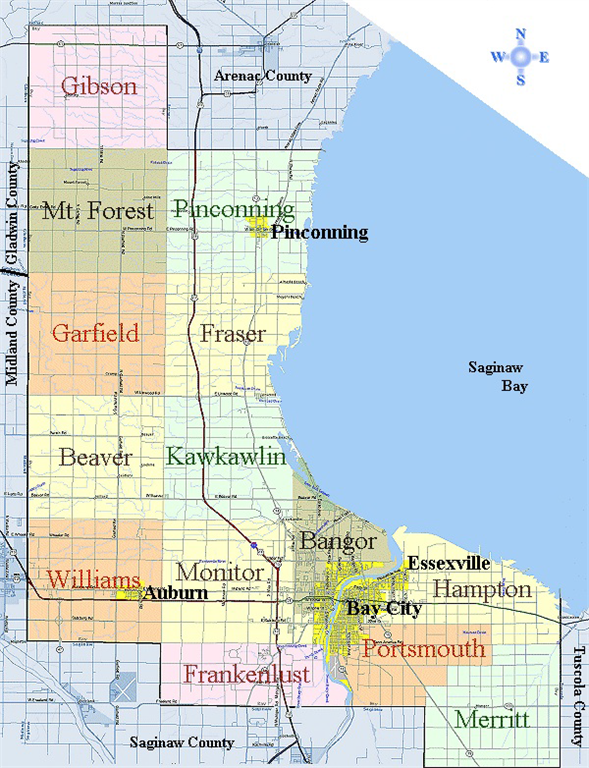
Bay County, Michigan, has awarded $400,000 across five opioid-remediation projects in its first competitive grant cycle, distributing funds across outreach, peer services, transportation, housing and treatment-court support.
The Bay Area Community Foundation announced the grants November 12 after approval on November 10. Bay County initially entrusted $1,373,742.89 in opioid-remediation funds to the foundation for administration.
The $400,000 announced in this cycle should be distinguished from that larger entrusted amount. The five grants are the newly awarded projects; the full $1.37 million should not be counted again as a separate award unless additional allocations are documented.
Five different pieces of recovery infrastructure
The awards are:
- Face Addiction Now — $150,000 for diversion work, peer recovery coaching, education and harm-reduction services
- Peer 360 Recovery Alliance — $125,000 for community outreach, peer services, transportation and connections to treatment
- Phoenix Valley Recovery — $72,500 for recovery housing, peer services, case management and a recovery-community headquarters
- Bay County Flexible Recovery Capital Fund — $47,500 for eligible treatment-court participant expenses
- NARA — $5,000 for housing assistance
Rather than placing the entire award into one program, the county selected projects that address several stages of a person’s recovery journey.
Face Addiction Now and Peer 360 may help people make initial connections. Phoenix Valley Recovery and NARA address housing and ongoing community support. The Flexible Recovery Capital Fund can help treatment-court participants overcome practical expenses that interfere with progress.
That mix has potential because treatment access is not determined solely by the availability of counseling. People may need transportation, identification, clothing, housing, peer guidance or assistance navigating appointments and court requirements.
The awards do not automatically create a fully coordinated system. The recipient organizations will need clear referral procedures and a shared understanding of their roles.
Transportation as a treatment issue
Peer 360’s award includes transportation and treatment connections.
Transportation is frequently described as a social need, but in addiction care it can directly affect clinical continuity. A missed ride can mean a missed assessment, medication appointment, court appearance or recovery-support meeting.
Reliable transportation support can help people enter treatment earlier and remain connected. Bay County should track more than the number of rides. Useful measures could include completed appointments, successful treatment connections, geographic areas served and reductions in transportation-related missed visits.
That information would help determine whether future funding should expand transportation capacity, add new pickup areas or strengthen coordination with existing transit services.
Housing and recovery stability
Phoenix Valley Recovery’s award combines housing, peers, case management and development of a recovery-community headquarters. NARA’s smaller grant provides housing assistance.
Housing is one of the strongest practical influences on whether someone can stabilize after treatment. A person leaving a residential program or jail may be expected to attend appointments, seek employment and avoid substance use while living in an unsafe or unstable environment.
Recovery housing is not the same as clinical treatment, and quality varies. Programs should maintain clear admission criteria, resident rights, safety policies and referral relationships with licensed providers.
When properly operated, housing and peer support can help people practice recovery skills in the community while rebuilding routines and relationships.
Treatment-court recovery capital
The Bay County Flexible Recovery Capital Fund received $47,500 for eligible expenses affecting treatment-court participants.
Recovery capital refers to the personal, social and practical resources that help a person sustain recovery. It can include safe housing, transportation, identification, employment support, family relationships and access to healthcare.
A relatively small expense can derail progress. Someone may miss treatment because a vehicle needs repair, be unable to begin work without required equipment or struggle to secure identification needed for housing and employment.
A flexible fund can respond to those needs more quickly than a narrowly restricted clinical grant. It should still have written eligibility rules, approval procedures and documentation so that assistance is consistent and accountable.
Michigan’s continuing need
Michigan reported 1,938 overdose deaths in 2024, approximately 69% of which involved opioids. Preliminary state data indicate that the overdose death rate has declined substantially from its 2021 peak.
That progress matters, but nearly two thousand deaths in one year show that the need has not disappeared. Declining mortality should encourage communities to continue the strategies associated with improvement while addressing gaps that remain.
Overdose deaths are also only one measure. Nonfatal overdoses, untreated substance-use disorders, family disruption, homelessness, incarceration and employment instability continue to affect communities.
A strong remediation strategy should therefore combine mortality prevention with treatment access and long-term recovery stability.
Measuring whether the five awards work together
Bay County and the foundation can strengthen this first grant cycle by establishing shared outcome measures.
Each program will have different activities, but the county could report common indicators such as:
- People contacted through outreach
- Assessments completed
- Successful treatment connections
- Transportation services delivered
- People placed in stable housing
- Treatment-court milestones supported
- Naloxone distributed and overdose reversals reported
- Continued engagement after 30, 90 and 180 days
- Demographic and geographic gaps in service access
Numbers should be presented with context. A peer organization serving people who are initially reluctant to enter treatment may produce meaningful engagement before a formal admission occurs.
Public reporting should explain both immediate outputs and longer-term outcomes.
Why This Matters
Bay County’s first grant cycle illustrates why opioid-remediation spending should address more than a single point in the treatment process.
A person may be reached through community outreach, transported to an assessment, connected with treatment, assisted by a peer and later need housing or practical support through treatment court. If those services operate independently, people can still fall through the gaps.
The five awards create the building blocks of a more connected local system. Their value will increase if recipients establish simple referral pathways and communicate regularly about unmet needs.
Addiction Recovery Pro Perspective
Addiction Recovery Pro sees this award package as a promising example of diversified investment.
The county is supporting direct engagement, treatment connections, transportation, housing and recovery capital rather than assuming one program can solve every problem. The inclusion of peer-led services is particularly important because people with lived experience can often build trust where formal systems have struggled.
ARP would encourage the foundation to publish quarterly or semiannual updates showing the amount distributed, services delivered and lessons learned. Public reporting should be understandable without requiring residents to interpret complex financial documents.
The county should also avoid measuring success only by the number of people who immediately enter treatment. Outreach, reduced risk, stable housing and continued engagement can be meaningful steps toward recovery.
BROADER RECOVERY IMPACT: Bay County’s approach could provide a useful model for other midsized communities deciding how to divide settlement funds.
The grants show how a relatively limited pool can support several connected functions. They also demonstrate the importance of local organizations that understand community geography, transportation barriers and the realities people face outside clinical settings.
If Bay County documents the connections between outreach, treatment, housing and recovery capital, other communities could learn not only what was funded, but how the pieces worked together.
Treatment options in this location
Explore addiction treatment options in Bay County, Michigan.
Original sources
Explore Treatment and Recovery Resources
Search licensed treatment facilities and recovery support by state and city.
Explore Treatment and Recovery ResourcesAddiction Recovery Pro provides educational and informational resources. This article is not medical advice, diagnosis, treatment, legal advice or emergency assistance. Information may change after publication. Consult qualified professionals and original sources when making health, legal or treatment decisions.