California Opens First Proposition 1-Funded Behavioral Health Facility in San Rafael
Ritter Center’s new San Rafael health center combines outpatient addiction treatment, office-based opioid care, medical services and housing support. It is the first facility funded through California’s Proposition 1 behavioral-health bond to begin serving patients.
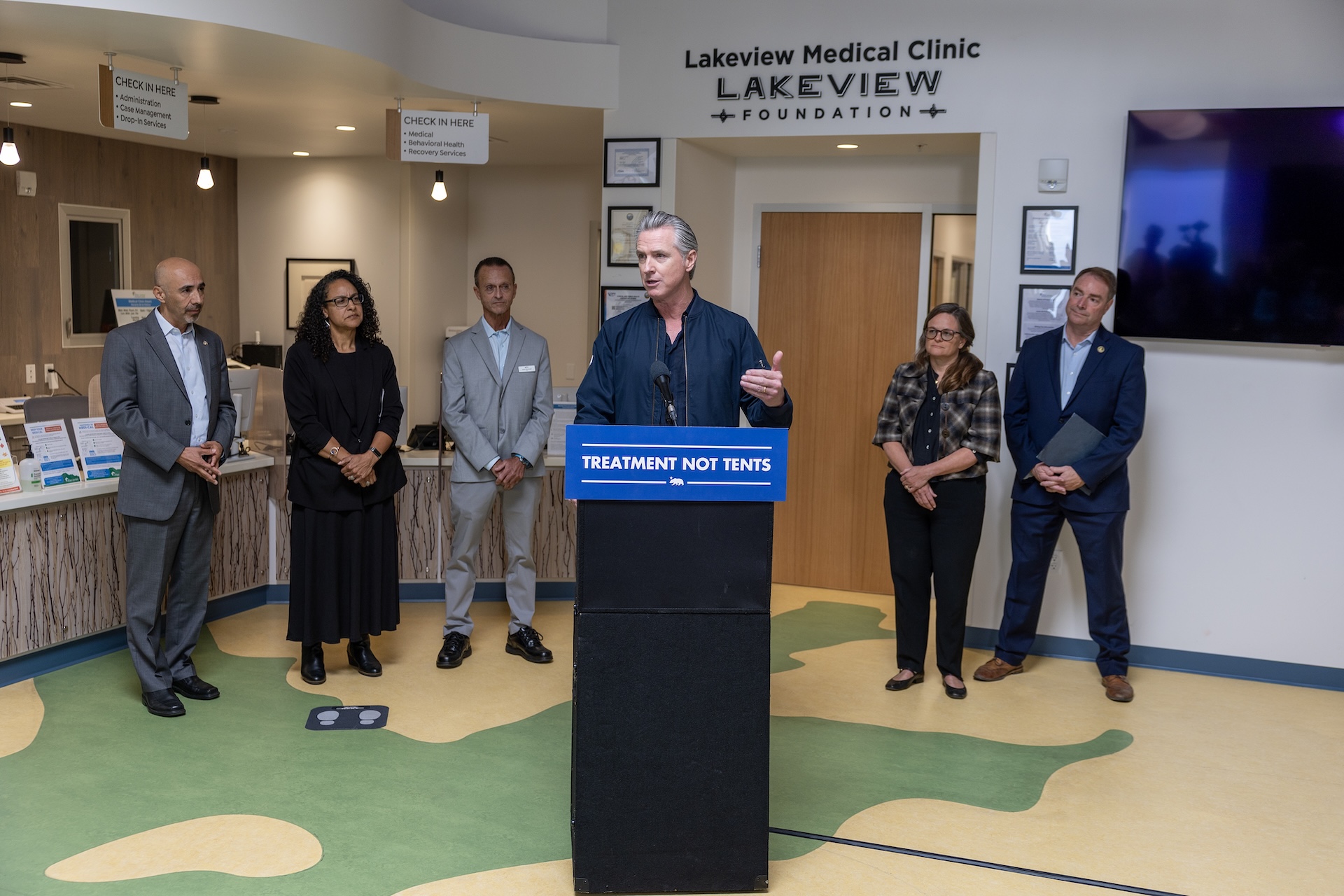
California has opened the first behavioral-health facility funded through the voter-approved Proposition 1 bond, marking an important transition from statewide funding commitments to services people can access in their community.
The Ritter Center Health & Wellness Center at 800 A Street in San Rafael includes a community mental-health clinic, office-based opioid treatment and outpatient substance-use-disorder services. Medical care, case management, housing navigation and other supportive services are also available through the organization.
California projects that the facility will provide 1,412 outpatient treatment slots and serve more than 7,000 people annually. Ritter Center says the larger location will allow it to serve approximately 25 percent more clients than its previous site.
The center is designed primarily for people experiencing homelessness, at risk of homelessness or facing financial and practical barriers to care. Combining several services at one location can be especially important for people who might otherwise have to coordinate addiction treatment, primary care, mental-health services and housing assistance through separate organizations.
According to California and Ritter Center, the new location brings together outpatient substance-use services, office-based opioid treatment, mental-health care, primary medical care, case management, housing support and harm-reduction services.
The center should not be described as a residential addiction-treatment facility. The announced capacity consists primarily of outpatient treatment slots rather than overnight treatment beds.
People seeking recovery frequently face needs beyond a single clinical appointment. Someone may need medication for opioid-use disorder, counseling, transportation, identification documents, health care and stable housing at the same time.
When those needs are handled by unrelated systems, every referral becomes another point where care can be delayed or lost. Placing several services within one organization can make it easier for staff to coordinate treatment and for patients to remain connected.
The model may be especially helpful for someone leaving an emergency department, jail, shelter or street-outreach contact. Those transitions can involve heightened overdose risk and considerable difficulty keeping multiple appointments.
Proposition 1 was approved by California voters in 2024 and includes a $6.4 billion behavioral-health bond. California reports that 176 projects encompassing 334 facilities have received Behavioral Health Continuum Infrastructure Program funding. Thirteen additional funded facilities are expected to open before the end of 2026.
Those figures require careful interpretation. A project that has received funding may still be in planning, construction or licensing. Families should verify that a program is open, offers the appropriate level of care and is accepting new patients before traveling or changing an existing treatment plan.
Before seeking services, people should confirm whether the requested service is available, whether a referral is required, which payment sources are accepted, whether eligibility restrictions apply, what documentation is needed and whether medication treatment is available directly.
Why This Matters
The opening is significant because it converts public infrastructure funding into an operating community resource. Its importance is not limited to the projected number of outpatient slots. The center connects addiction treatment with medical care, mental-health services, case management and housing support for people who frequently encounter the greatest barriers to remaining in care.
For families, an integrated center may mean fewer disconnected referrals and a clearer starting point. For hospitals, shelters, outreach teams and first responders, it creates another possible destination for continuing care after an immediate crisis. For California, it is also an early test of whether Proposition 1 projects will produce services that are understandable, reachable and responsive to local needs.
Addiction Recovery Pro Perspective
Addiction Recovery Pro views the opening as a positive step toward making treatment easier to reach and continue. Recovery often depends on more than completing a clinical program. Stable housing, medical care, transportation, follow-up appointments and supportive relationships can determine whether a person remains connected after asking for help.
The strongest feature of the Ritter Center model is its effort to place those needs within a coordinated system. ARP also believes the public deserves precise language about new capacity. Outpatient treatment slots should not be described as residential beds, and a funded project should not appear in a live treatment search until opening, licensing and intake information are verified.
As additional Proposition 1 projects open, ARP will focus on the practical questions families need answered: What service is available? Who is eligible? How does someone start? What does it cost? Is medication treatment offered? What happens after the first appointment?
Original sources
Explore Treatment and Recovery Resources
Search licensed treatment facilities and recovery support by state and city.
Explore Treatment and Recovery ResourcesAddiction Recovery Pro provides educational and informational resources. This article is not medical advice, diagnosis, treatment, legal advice or emergency assistance. Information may change after publication. Consult qualified professionals and original sources when making health, legal or treatment decisions.