Camden Launches Seven-Day Mobile Addiction Care Program
Two specialized mobile teams will bring addiction treatment, medications, harm-reduction services and continued recovery support directly into Camden neighborhoods seven days a week.
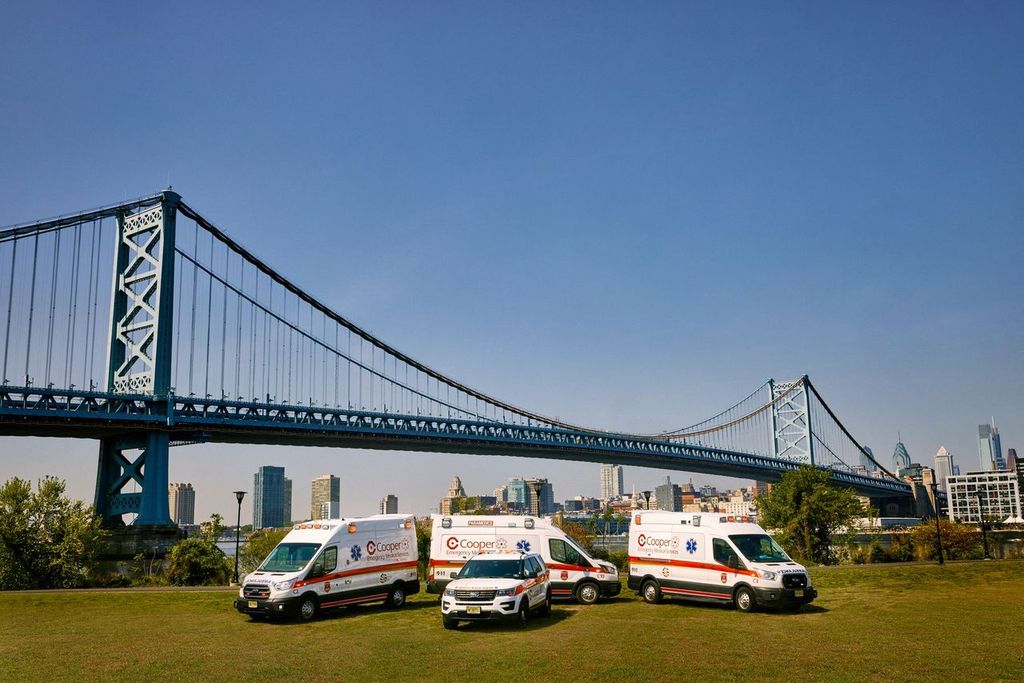
Cooper Norcross Health has launched a Mobile Integrated Health program designed to bring addiction treatment and recovery services directly to people throughout Camden, New Jersey.
Supported by a $500,000 grant from the State of New Jersey, the program will deploy two specialized mobile teams. Each team consists of a trained mobile-health paramedic and a community outreach coordinator.
The teams will operate seven days a week and work with Cooper Norcross Health Emergency Medical Services, its Division of Addiction Medicine and community organizations.
The program creates several ways for someone to enter care. Referrals may follow a 911 overdose response, hospital discharge or contact with a community organization. Team members will also conduct direct outreach in areas where people may have difficulty reaching traditional healthcare services.
During a community visit, trained paramedics can conduct a clinical assessment and, when appropriate, begin medications for opioid use disorder such as buprenorphine.
People may also be connected to Cooper healthcare providers through telehealth. Mobile team members can help coordinate prescriptions, follow-up appointments and transportation.
The program is intended to provide continued engagement rather than ending after one emergency response or brief encounter. For people who are not ready or able to visit a clinic, the teams can continue offering support in the community.
Services extend beyond addiction medication. The program may provide wound care, infectious-disease treatment, overdose-prevention education, naloxone and connections to food, housing and other essential resources.
Cooper’s emergency medical system has previous experience bringing opioid-use-disorder treatment into the field. In 2019, its ambulances began carrying buprenorphine so appropriately trained paramedics could initiate treatment after an opioid overdose was reversed. Cooper reports that it later added long-acting injectable buprenorphine to its prehospital program.
The new Mobile Integrated Health program will initially operate for one year. Whether it continues beyond that period will depend on funding and program outcomes.
This development reflects a broader effort to reduce the distance between people who need help and the professionals capable of providing it. Instead of requiring every person to locate and enter a clinic first, the Camden model brings assessment, medication, follow-up support and recovery connections into the community.
Why This Matters
Overdose survivors and people living with substance use disorders frequently encounter emergency responders before they enter ongoing treatment. Connecting those encounters with medication, follow-up care, transportation and community services may create additional opportunities for people to begin and remain engaged in recovery.
Addiction Recovery Pro Perspective
Addiction Recovery Pro supports programs that reduce practical barriers to evidence-based care. Mobile treatment should be connected to licensed providers, continued clinical oversight and long-term recovery resources. The Camden program offers an important model for connecting emergency response, addiction medicine and community support.
Original sources
Explore Treatment and Recovery Resources
Search licensed treatment facilities and recovery support by state and city.
Explore Treatment and Recovery ResourcesAddiction Recovery Pro provides educational and informational resources. This article is not medical advice, diagnosis, treatment, legal advice or emergency assistance. Information may change after publication. Consult qualified professionals and original sources when making health, legal or treatment decisions.