Empower Health Group Opens Second Western Massachusetts Treatment Center
Empower Health Group has opened a second Western Massachusetts location in Springfield, offering partial hospitalization, intensive outpatient and standard outpatient treatment for substance use and co-occurring mental-health conditions.
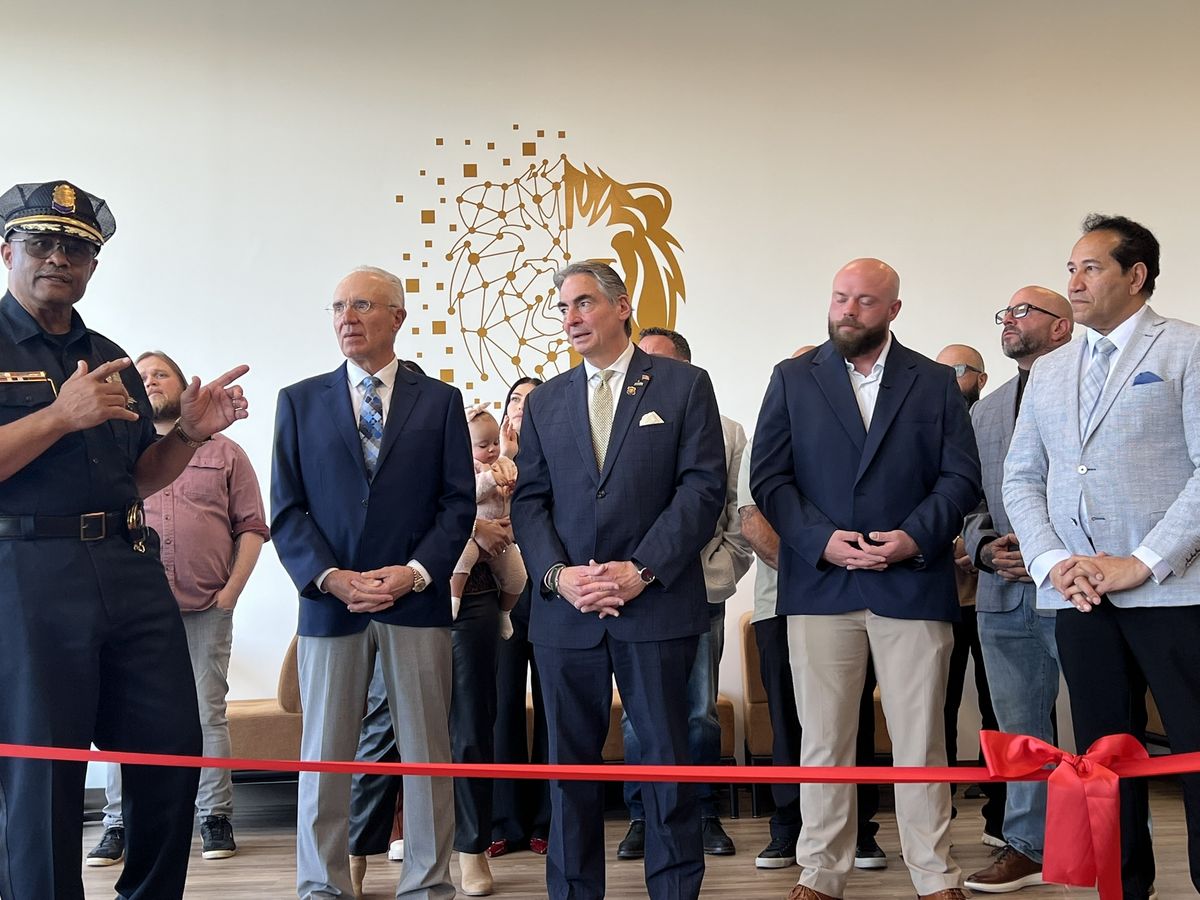
Empower Health Group has opened a new addiction and mental-health treatment center in Springfield, Massachusetts, expanding its Western Massachusetts presence beyond its original Northampton location.
The organization celebrated the opening on October 29 at 101 Wason Avenue, near Baystate Medical Center and other healthcare services in Springfield’s North End.
The approximately 9,000-square-foot facility provides multiple levels of outpatient care for people experiencing substance use disorders and co-occurring mental-health conditions.
Massachusetts’ public Bureau of Substance Addiction Services licensing portal lists Empower Health Group at the Springfield address as a licensed outpatient satellite location.
Levels of care offered in Springfield
Empower reports offering partial hospitalization, intensive outpatient treatment and standard outpatient programming at the new center.
Partial hospitalization programs, frequently called PHPs or day treatment, generally provide structured clinical services for several hours during the day without requiring a person to live at the facility.
Intensive outpatient programs provide a higher level of structure than ordinary weekly outpatient appointments while allowing participants to continue living at home or in another community setting.
Standard outpatient treatment may involve scheduled individual counseling, group therapy, medication services and case management at a lower weekly intensity.
The presence of several outpatient levels at one location may allow clients to move between different amounts of support as their clinical needs change. Those transitions should be based on individualized assessment rather than a preset timeline.
The Springfield location is not a residential treatment center. Clients attend treatment but do not live at the facility. Someone who needs medically supervised withdrawal management, overnight residential treatment or hospital care should receive an appropriate assessment and seek a provider offering that level of support.
Services for addiction and mental health
Empower describes the Springfield program as serving people with substance use disorders and co-occurring mental-health needs.
Reported services include individual and group therapy, medication management and case management. The provider also advertises meditation, mindfulness, art and music groups as complementary parts of its treatment programming.
Addressing mental health alongside substance use can be important because depression, anxiety, trauma and other conditions may affect treatment participation and long-term recovery. Treatment should still be individualized, and not every service is necessarily appropriate or available to every participant.
Insurance and payment access
The provider reports accepting several MassHealth arrangements, including BeHealthy Partnership, Massachusetts Behavioral Health Partnership and Fallon Health.
Empower also lists participation with a number of commercial insurers. Insurance acceptance does not guarantee that a particular service, provider or length of treatment will be covered.
Before beginning treatment, families should ask:
- Is the requested program currently accepting new clients?
- Does the person meet the program’s clinical criteria?
- Is prior authorization required?
- Is the facility in network with the person’s specific plan?
- What deductible, copayment or out-of-pocket responsibility may apply?
- Are medication and psychiatric services billed separately?
- What alternatives are offered if the requested program is not appropriate?
A new Western Massachusetts access point
Springfield is the largest city in Western Massachusetts and a regional center for medical care, employment and transportation.
Locating the new program near other healthcare providers may create opportunities for coordination with hospitals, emergency departments, primary-care offices, community health centers and recovery organizations.
The facility’s opening also creates another local option for people who need structured treatment but do not require overnight residential care.
The effectiveness of the expansion will depend on practical measures such as assessment wait times, staff availability, payer authorization and successful connections to other levels of care.
Why This Matters
Treatment access is not determined solely by the number of facilities in a region. Families also need the appropriate level of care, an available appointment, workable insurance coverage and a location they can reach consistently.
Empower’s addition of partial hospitalization, intensive outpatient and standard outpatient services at one Springfield location may help reduce disruptions when someone’s treatment needs change. A person may be able to receive more structure during a difficult period and gradually step down as stability improves without starting over with a completely different organization.
The facility’s reported MassHealth participation is especially meaningful in a region where cost and insurance access can prevent people from receiving sustained behavioral-health services.
Its location near a major medical corridor may also support stronger referral relationships. Hospital discharge plans are more useful when a patient can obtain a timely assessment and continue care after leaving the hospital.
Addiction Recovery Pro Perspective
Addiction Recovery Pro views the Springfield opening as a positive expansion of Western Massachusetts’ outpatient treatment continuum.
We are encouraged by the provider’s decision to combine several treatment intensities with services for co-occurring mental-health conditions. Recovery plans are stronger when mental health, medication needs, family circumstances and practical barriers are considered alongside substance use.
The broad reported payer mix may also make the program accessible to more families. ARP believes insurance information should be presented carefully, however. “Accepted” does not automatically mean every service is covered or that the facility is in network with every version of an insurer’s plan.
We also want visitors to understand that this is outpatient care. The new center expands treatment capacity but does not create residential beds or medical-detox capacity.
ARP will seek to keep the Springfield listing accurate by verifying program hours, current assessment availability, age requirements, payer participation and how Empower connects clients with residential, withdrawal-management or long-term recovery services when those are needed.
Original sources
Explore Treatment and Recovery Resources
Search licensed treatment facilities and recovery support by state and city.
Explore Treatment and Recovery ResourcesAddiction Recovery Pro provides educational and informational resources. This article is not medical advice, diagnosis, treatment, legal advice or emergency assistance. Information may change after publication. Consult qualified professionals and original sources when making health, legal or treatment decisions.