Hattiesburg Receives $361,612 to Expand Behavioral Health Court
Hattiesburg has received a $361,612 first-year SAMHSA award to expand treatment and recovery services through its municipal Behavioral Health Court. The five-year plan is expected to serve about 40 eligible participants annually.
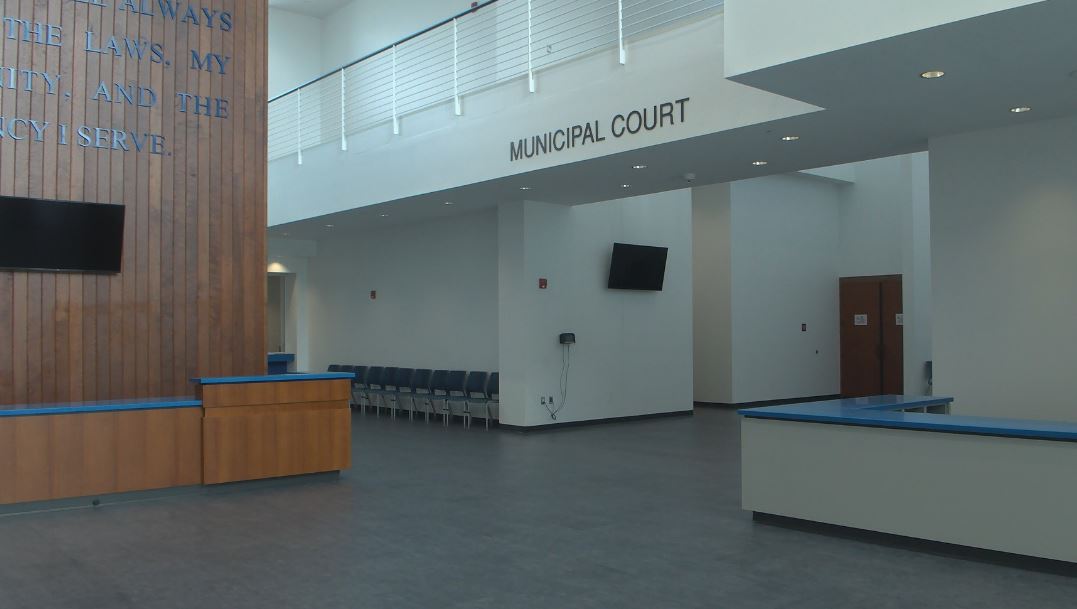
The City of Hattiesburg, Mississippi, has received a $361,612 federal award from the Substance Abuse and Mental Health Services Administration to expand treatment and recovery services through Hattiesburg Municipal Court’s Behavioral Health Court program.
The award represents the first year of a five-year project.
City officials say recommended funding totals more than $1.8 million through September 2031, but later annual awards depend on federal funding availability and satisfactory program performance.
The full five-year amount should therefore be described as planned or recommended funding, not money already received.
Hattiesburg expects the expanded program to serve approximately 40 participants each year, or about 200 people over five years.
Through a partnership with Pine Belt Mental Healthcare Resources, eligible participants may receive individualized treatment planning, outpatient or residential treatment, psychiatric care, medication-assisted treatment when clinically appropriate and peer recovery support.
The plan also includes recovery-housing assistance for eligible participants transitioning from residential treatment.
Hattiesburg’s Behavioral Health Court was established in 2010. It provides an alternative path for eligible people facing misdemeanor charges whose substance-use or mental-health needs contributed to their involvement with the court.
The model combines judicial supervision and accountability with treatment and recovery support.
This is not a general treatment program that any resident can enter independently. Eligibility is connected to the municipal-court process, legal criteria, clinical assessment and program requirements.
People seeking voluntary care should not assume they qualify for Behavioral Health Court and should use regular treatment-access channels unless directed by the court or their attorney.
The expanded service list reflects the complexity of the population.
A person leaving residential treatment may still need medication, psychiatric care, peer support, transportation, stable housing and help meeting court obligations.
If those services are fragmented, missed appointments and instability can quickly threaten both recovery and legal progress.
Coordinated care can give participants a more realistic opportunity to complete the program and avoid further court involvement.
Behavioral-health courts are not appropriate for every person or every case, and participation should not be described as an easy alternative.
Programs commonly require frequent contact, treatment participation, testing and court review.
Their value depends on fair eligibility rules, access to quality care, respect for due process and responses to relapse that recognize clinical realities while maintaining public accountability.
Why This Matters
Municipal courts often see the downstream consequences of untreated substance use and mental illness: repeated low-level charges, unstable housing, missed obligations and emergency-service use.
A court can continue processing those cases without addressing the cause, or it can create a structured path that connects eligible people with care.
The Hattiesburg award matters because it adds clinical and recovery capacity around an existing court program.
Medication-assisted treatment, peer support and recovery-housing help are particularly important additions.
Treatment may stabilize a participant, but a return to homelessness or a lack of ongoing medication access can quickly weaken that progress.
Addiction Recovery Pro Perspective
Addiction Recovery Pro views the grant as a constructive investment in treatment-linked accountability.
The partnership with Pine Belt Mental Healthcare Resources gives the court access to a behavioral-health organization rather than asking court staff to perform clinical roles.
The inclusion of outpatient, residential, psychiatric, medication and peer services recognizes that participants will not all need the same intervention.
ARP is also encouraged by the planned recovery-housing assistance.
Courts and treatment programs can achieve short-term compliance while missing the conditions that shape long-term stability.
Housing support can help turn a completed treatment episode into a viable recovery plan.
Responsible implementation will require transparent eligibility, qualified clinical decision-making, informed participation, privacy protections and clear reporting on outcomes.
ARP would like to see measures beyond program enrollment, including treatment connection, retention, housing stability, completion, medication continuity and new court involvement.
The grant is positive, but future funding should be guided by what the program demonstrates.
WHAT THIS MEANS TO THE WORLD OF RECOVERY: Across the United States, communities are testing ways to move people from repeated justice-system contact into evidence-based care.
Hattiesburg’s approach reflects a broader shift from treating behavioral-health symptoms only as misconduct toward addressing them as health needs within an accountability framework.
If the program connects participants quickly, maintains appropriate treatment and supports housing after residential care, it can offer lessons for other small and midsize cities.
The strongest national impact will come from publishing honest results, including who is accepted, who completes the program, where participants encounter barriers and whether gains continue after court supervision ends.
Treatment options in this location
Explore addiction treatment options in Hattiesburg, Mississippi.
Original sources
Explore Treatment and Recovery Resources
Search licensed treatment facilities and recovery support by state and city.
Explore Treatment and Recovery ResourcesAddiction Recovery Pro provides educational and informational resources. This article is not medical advice, diagnosis, treatment, legal advice or emergency assistance. Information may change after publication. Consult qualified professionals and original sources when making health, legal or treatment decisions.