Henrico County Expands Mobile Addiction Treatment and Overdose-to-Care Response
Henrico County is directing more than $1.7 million in opioid-settlement funding toward mobile medication treatment, overdose-scene treatment initiation, naloxone access and services for pregnant women and their children.
Henrico County, Virginia, is expanding several addiction-prevention, treatment and recovery initiatives with more than $1.7 million from the Virginia Opioid Abatement Authority.
The county announced the funding on November 3, 2026. It is Henrico's largest single-year award from the authority since opioid-settlement grants began in 2023, and the money will support 13 local programs and initiatives.
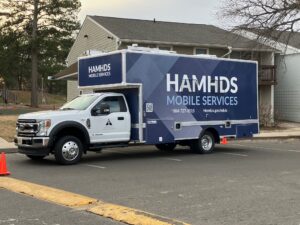
One of the most significant changes involves Henrico Area Mental Health & Developmental Services' Mobile Medication-Assisted Treatment Program. The county says the funding will support four full-time employees who will operate the mobile unit and bring treatment and recovery resources directly into communities heavily affected by opioid overdoses.
The mobile program provides access to medication and prescriber services, individual counseling, peer support, harm-reduction supplies, naloxone and REVIVE! overdose-response training. Henrico's current program information says the mobile unit is free to use and does not require an advance appointment.
At the time of publication, Henrico lists weekly stops at St. Luke Apartments in Richmond on Wednesdays and Calvary United Methodist Church in Richmond on Thursdays. Because mobile schedules can change, visitors should confirm the current locations and hours on the county's official program page before traveling.
The funding also changes what can happen immediately after certain overdoses. Henrico County says its Division of Fire will be able to move beyond administering naloxone alone and begin medication treatment for eligible individuals after an overdose, citing Suboxone as an example. The person can then be connected with Henrico Area Mental Health & Developmental Services for continuing treatment and therapy.
Naloxone can temporarily reverse an opioid overdose, but reversal does not by itself treat opioid use disorder. The county's planned approach is designed to use the period immediately after an overdose as an opportunity to begin treatment and arrange continuing care.
The exact clinical decision will still depend on medical assessment, patient consent, prescribing requirements and the county's treatment protocol. Not every overdose survivor will receive the same medication, and no one should begin or change medication for opioid use disorder without qualified medical guidance.
Henrico is also using the opioid-abatement funding to expand naloxone access. Distribution cabinets are already located at selected libraries and county offices, and the county plans to add cabinets at additional library and social-services locations. Henrico reported that nearly 600 boxes had already been distributed through the cabinet program when the latest funding was announced.
Another funded initiative will support pregnant women with substance-use disorders and their children. That work recognizes that pregnancy, parenting, medical care, treatment access, transportation and child-related needs can overlap, making it harder for families to navigate separate systems.
The county's announcement confirms the funding and planned uses. Families should still verify current eligibility, schedules, clinical services and availability directly with Henrico County or the participating provider.
Why This Matters
Henrico's expansion is important because it addresses the time and distance between recognizing a need for treatment and actually entering care. Traditional treatment systems often require someone to locate a provider, schedule an assessment, arrange transportation and remain engaged long enough to complete the intake process. Each additional step creates another opportunity for the connection to break down.
A mobile unit can reduce some of those barriers by bringing prescriber access, peer support, counseling and naloxone into neighborhoods where people already live. The addition of four full-time employees may allow the program to operate more consistently, reach more residents and spend more time connecting people with continuing services.
The overdose-response component is also significant. An overdose can create a brief period when a person is willing to discuss treatment, but that opportunity can be lost if the only response is medical stabilization followed by a list of phone numbers. Beginning an appropriate treatment pathway and arranging follow-up before that person disengages may create a stronger bridge into ongoing care.
The broader package matters because it does not rely on one service alone. Naloxone distribution, treatment initiation, peer support, mobile access and help for pregnant women and their children address different points in the same continuum. The long-term value will depend on staffing, clinical protocols, follow-up capacity and whether residents can continue receiving care after the initial contact.
Addiction Recovery Pro Perspective
Addiction Recovery Pro views Henrico County's plan as a positive example of using opioid-settlement funding to build practical access rather than simply fund awareness campaigns. The county is investing in services that can meet people where they are and help move them from an immediate crisis toward ongoing treatment and recovery support.
The strongest part of the approach is the connection between overdose response and follow-up care. Naloxone saves lives, but people and families also need clear information about what happens next. When emergency personnel, mobile clinicians, peers and community treatment providers work from a coordinated plan, the person has a better chance of reaching the next level of care.
ARP also supports the county's attention to pregnancy and family needs. A person may want treatment but still face concerns about prenatal care, childcare, transportation, housing or family stability. Programs are more accessible when they recognize those realities and explain how families can safely enter care.
As the expansion is implemented, residents will need simple answers: where the mobile unit will be, who is eligible, whether identification or insurance is required, which medications and counseling services are available, and how follow-up appointments are arranged. ARP encourages Henrico County to keep that information current and easy to find.
Original sources
Explore Treatment and Recovery Resources
Search licensed treatment facilities and recovery support by state and city.
Explore Treatment and Recovery ResourcesAddiction Recovery Pro provides educational and informational resources. This article is not medical advice, diagnosis, treatment, legal advice or emergency assistance. Information may change after publication. Consult qualified professionals and original sources when making health, legal or treatment decisions.