Stepping Stones Opens Long-Term Residential Addiction Treatment Facility in Kissimmee
Park Place Behavioral Health Care has opened a new $2 million long-term residential substance-use treatment facility in Kissimmee. Osceola County contributed $1.1 million through opioid-settlement funding.
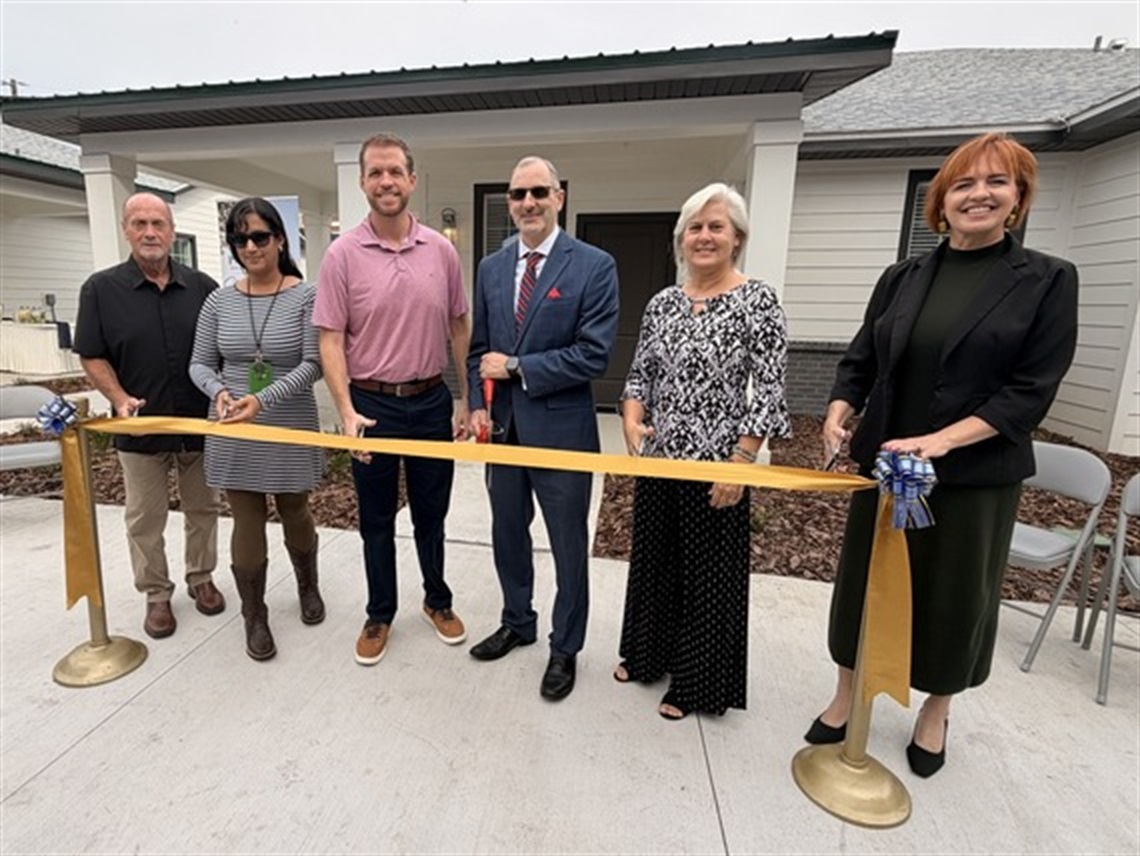
Park Place Behavioral Health Care has opened Stepping Stones, a newly constructed long-term residential substance-use-disorder treatment facility at 950 June Street in Kissimmee, Florida.
The $2 million project received funding from several sources, including the Florida Legislature, the City of Kissimmee and private donors. Osceola County reports that its Board of County Commissioners invested $1.1 million in opioid-settlement funds.
That distinction is important for public accountability: the full $2 million construction cost should not be described as opioid-settlement spending. The confirmed county settlement contribution is $1.1 million.
Park Place describes Stepping Stones as a structured residential program intended for people who need more time and support than short-term stabilization can provide. The announced services include individualized clinical treatment, cognitive behavioral therapy, dual-diagnosis support, group therapy, peer support and relapse-prevention planning.
Staff are expected to be present around the clock. The program also incorporates financial literacy, employment and educational preparation, daily-living skills and assistance rebuilding family and community relationships.
These nonclinical components are not secondary to recovery. A person may leave treatment with improved health and motivation but still encounter unstable housing, unemployment, damaged relationships or limited transportation. When those pressures are not addressed, the transition home can become one of the most vulnerable stages of recovery.
Long-term residential care can give clients additional time to develop routines, identify triggers and practice recovery skills before returning to less structured environments. It may also provide an option for people whose substance use and co-occurring mental-health needs cannot be stabilized through ordinary outpatient care.
However, the announcement did not publicly state the facility’s bed capacity, current occupancy or whether immediate admissions are available. Families should contact Park Place directly to verify eligibility, availability, payment arrangements and the level of care being offered.
Park Place says it has served Osceola County and Central Florida for approximately 50 years. The organization also provides mental-health services, substance-use treatment and supportive housing.
The opening illustrates one way opioid-settlement dollars can be converted from a government allocation into a physical treatment asset. The next accountability question is whether the facility produces measurable, sustained benefits for the community.
Why This Matters
Residential treatment capacity is valuable only when people can reach it, qualify for it and transition successfully after discharge. Stepping Stones combines clinical care with vocational preparation, financial education and relationship rebuilding—areas that can directly affect whether recovery continues after residential treatment ends. Its opening also gives Osceola County residents a visible example of opioid-settlement money being used to expand treatment infrastructure.
Addiction Recovery Pro Perspective
Addiction Recovery Pro welcomes the creation of additional long-term residential options, particularly when programs recognize that recovery involves more than stopping substance use. Employment, education, housing stability, mental health and supportive relationships can influence long-term outcomes. ARP would like to see future public reporting include bed capacity, utilization, referral sources, waiting times, completion rates and successful transitions into outpatient care, housing or employment. Those measures would help residents understand both where settlement money went and what it accomplished.
WHAT THIS MEANS TO THE WORLD OF RECOVERY: Communities across the country are deciding whether to spend opioid-settlement funds on short-term programs, recurring services or lasting infrastructure. Stepping Stones represents an infrastructure investment with the potential to serve residents for years. Its long-term value will depend on continued operating support, qualified staffing, accessible admissions and strong connections to community-based recovery services after discharge.
Treatment options in this location
Original sources
Explore Treatment and Recovery Resources
Search licensed treatment facilities and recovery support by state and city.
Explore Treatment and Recovery ResourcesAddiction Recovery Pro provides educational and informational resources. This article is not medical advice, diagnosis, treatment, legal advice or emergency assistance. Information may change after publication. Consult qualified professionals and original sources when making health, legal or treatment decisions.