New Huntley Recovery Center Expands Detox and Residential Treatment Near Billings
New Frontier Recovery Center has opened near Billings with medical detox and a small residential treatment program on the same Huntley property. The provider reports six detox beds, eight residential beds and services for adults with substance use and co-occurring mental health conditions.
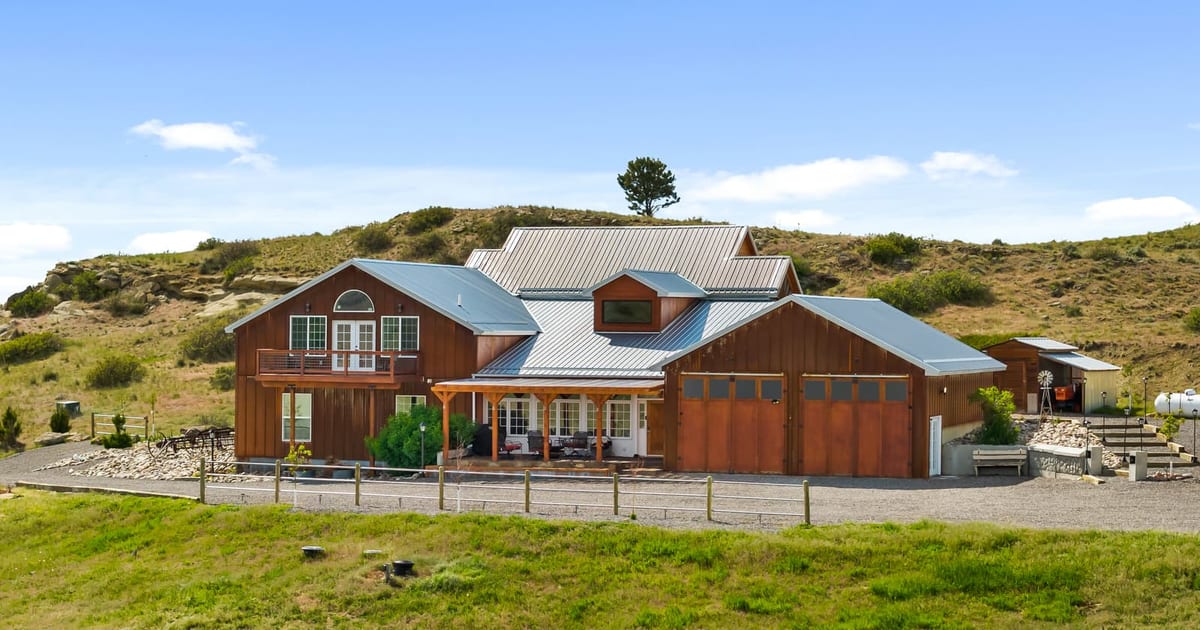
New Frontier Recovery Center has opened a new addiction-treatment facility in Huntley, Montana, approximately 20 minutes east of Billings. The provider says the center combines medically monitored withdrawal management and residential treatment on a private 30-acre property.
According to New Frontier’s current website, the center serves adults ages 18 through 65 with substance use disorders, including alcohol, opioid, fentanyl, methamphetamine, cocaine, benzodiazepine and prescription-drug use. The center also advertises treatment for people experiencing co-occurring mental health conditions.
The provider reports operating a six-bed medical-detox unit aligned with ASAM Level 3.7-WM and an eight-bed residential program aligned with ASAM Level 3.5. Its website identifies Montana Department of Public Health and Human Services License No. 000000314 for the eight-bed residential program.
New Frontier also reports accreditation by The Joint Commission. Its website says admissions personnel are available around the clock, but families should always call the facility directly to confirm current availability, eligibility, insurance participation and the appropriate level of care.
One property, two connected levels of care
A notable part of the Huntley model is the placement of detox and residential treatment on the same property. A person who begins with supervised withdrawal management may be able to continue into residential treatment without arranging transportation and admission to an entirely different provider.
That transition can matter because the period following withdrawal is not the end of treatment. Detox addresses the immediate medical and physical risks associated with stopping certain substances. Residential treatment can then provide more time for therapy, stabilization, recovery planning and preparation for continued care after discharge.
New Frontier says its residential services include individual, group and family therapy. The provider identifies cognitive behavioral therapy, dialectical behavior therapy, motivational interviewing and trauma-focused approaches among its services. It also reports offering psychiatric care, medication management and medication-assisted treatment when clinically appropriate.
Treatment decisions should remain clinical decisions. The presence of both programs does not mean every person entering detox will qualify for residential treatment or follow the same treatment plan. Admission, length of stay and transitions between levels of care depend on assessment, medical need and other eligibility requirements.
A small program serving a large region
The eight-bed residential program represents a modest number of beds when compared with Montana’s geography and the size of the region surrounding Billings. The smaller setting may allow for individualized attention, but it also means availability could change quickly.
For families, that makes direct verification especially important. Before traveling, a prospective client should ask whether the appropriate program currently has space, what documentation is required, which insurance plans are accepted, whether transportation assistance is available and what happens if the requested level of care is not appropriate.
New Frontier says it works with commercial insurance and private-pay clients. Insurance participation and coverage are not the same as guaranteed payment. Deductibles, authorization requirements, medical-necessity reviews and out-of-pocket costs may still apply.
The new center may also become part of a broader referral network involving hospitals, outpatient providers, recovery organizations, physicians, tribal health programs and community agencies throughout Yellowstone County and surrounding areas.
Families should verify current information
New Frontier’s opening announcement and current website provide important starting information, but treatment availability can change daily. Individuals and families should contact the provider directly and independently confirm licensing, accreditation, insurance coverage and current admission status.
Someone experiencing a medical emergency or possible overdose should call 911. For a mental-health or suicidal crisis, call or text 988.
Why This Matters
New withdrawal-management and residential capacity is consequential in a geographically large state where some people may otherwise need to travel considerable distances for care. Keeping detox and residential treatment on one property may reduce one of the vulnerable handoffs that can occur when a person must locate another program immediately after withdrawal management.
The development also illustrates why treatment directories need more detail than a facility name and general “rehab” label. Families need to understand the level of care being offered, current bed availability, age limits, payment options, treatment for co-occurring conditions and what services are available after discharge.
The eight-bed residential capacity should be viewed realistically. It expands local options, but it does not resolve Montana’s broader access challenges by itself. The opening’s value will ultimately depend on how consistently the program can connect people to appropriate care, work with community referral sources and build continuing-care plans that extend beyond the residential stay.
Addiction Recovery Pro Perspective
Addiction Recovery Pro welcomes responsible expansions that give individuals and families additional treatment options closer to home. New Frontier’s decision to place supervised withdrawal management and residential care on the same property may help create a more continuous experience during a period when interruptions can lead people to disengage from treatment.
We are also encouraged by the provider’s stated emphasis on co-occurring mental health needs, family participation and discharge planning. Addiction rarely exists in isolation. Programs can strengthen long-term outcomes when they consider mental health, family relationships, medication needs, housing, transportation and the next stage of care as part of one connected plan.
At the same time, ARP believes new facilities should be described with precision. Six detox beds and eight residential beds represent meaningful local capacity, but availability cannot be assumed. A website listing or news announcement should never be interpreted as a promise of admission.
ARP will seek to verify the facility’s directory information, services, payment arrangements and admission process so that visitors receive a clear description of what the center provides. Our goal is not to recommend one provider over another. It is to help families compare options, ask better questions and make a more informed next decision.
Original sources
Explore Treatment and Recovery Resources
Search licensed treatment facilities and recovery support by state and city.
Explore Treatment and Recovery ResourcesAddiction Recovery Pro provides educational and informational resources. This article is not medical advice, diagnosis, treatment, legal advice or emergency assistance. Information may change after publication. Consult qualified professionals and original sources when making health, legal or treatment decisions.