Oxnard Youth Recovery Center Opens New Campus and Starts Peer-Respite Project
Nate's Place celebrated its new Oxnard campus and broke ground on a planned 20-bed peer-respite center for transition-age youth. The campus is open; the respite project is still being developed.
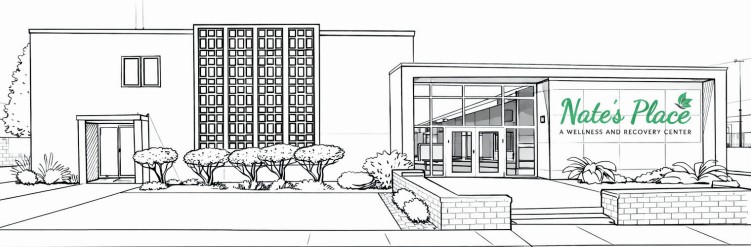
Nate's Place, A Wellness and Recovery Center, marked two different milestones in Oxnard, California, on November 13, 2026: the grand opening of its new youth wellness and recovery campus and the groundbreaking for a future peer-respite center.
The distinction between those milestones is important. The new Nate's Place campus at 375 South K Street is open. The planned peer-respite building is not yet an operating 20-bed service. Construction, licensing or program approvals, staffing, fundraising and an opening timeline should be confirmed as the project moves forward.
Nate's Place describes its current program as a welcoming clubhouse rather than a clinic. It serves teens and young adults, generally ages 13 through 26, who are navigating mental-health concerns, trauma, substance-use challenges or recovery. The organization says its no-cost services include one-to-one peer recovery coaching, individual and group support, education, healthy recreational activities and transportation for enrolled participants.
That model is designed around connection. Young people may be more willing to talk with someone who has relevant lived experience and can help them practice coping skills, build a healthier routine and connect with additional services. Nate's Place also says it refers participants to higher levels of care when their needs exceed what the outpatient clubhouse can safely provide.
The future peer-respite component is intended to address a different need. In a March 2026 project announcement, Nate's Place described a planned 20-bed building for transition-age youth, with voluntary stays of up to 14 days and help from a housing navigator. The organization said the service would give young people a supportive place to stabilize and plan next steps when housing or another transition threatens their recovery.
Nate's Place also reported that it had been conditionally awarded a $5.71 million California grant for the expansion and needed to raise a 10 percent community match of approximately $571,000 by December 31, 2026. Because the award was described as conditional, the public should not assume that the entire grant has been released, that the full construction budget is complete or that the peer-respite program has begun accepting residents.
California's Department of Health Care Services includes peer respite within the state's broader effort to expand community-based behavioral-health infrastructure. The state's goal is to create less restrictive options along the continuum of care and reduce avoidable hospitalization, incarceration and homelessness. A peer-respite setting can be part of that continuum, but it is not the same as a hospital, a medically managed withdrawal program, a licensed residential addiction-treatment facility or emergency crisis care.
Families considering the current Nate's Place program should ask about age eligibility, intake, operating hours, transportation, confidentiality, supervision and the types of counseling and peer services available. Anyone seeking the future respite program should confirm whether it is open, who it can serve, what clinical and safety supports will be available and how it will coordinate with hospitals, residential programs, schools, families and housing resources.
The organization lists 805-628-2552 as its contact number and identifies 375 South K Street in Oxnard as its current mailing and campus address. Because program details can change as the expansion develops, prospective participants should confirm current information directly before visiting.
Why This Matters
Young people often encounter a gap between routine outpatient support and high-acuity emergency or residential care. A peer-centered clubhouse can provide connection, structure and early support before a situation becomes more severe. A well-designed peer-respite option could offer a short-term bridge when a young adult is overwhelmed, losing housing or leaving a more intensive level of care.
The value is not only in creating a new building. It is in creating a reliable transition. A young person may need a safe place, a trusted peer, transportation, family education, a clinical referral and help finding stable housing at the same time. When those pieces are coordinated, the recovery system becomes easier to use. When they are fragmented, a young person can fall between programs even when several services technically exist.
Addiction Recovery Pro Perspective
Addiction Recovery Pro sees the new campus as a positive investment in youth connection and long-term recovery support. Nate's Place is building around services that families frequently say are hard to find in one place: peer coaching, constructive activities, transportation and support that does not begin with a bill. The planned peer respite could strengthen that model by adding a temporary place for eligible young adults to regain stability and plan a safer next step.
ARP also believes the public deserves precise language about what is available now. The clubhouse is open; the 20-bed peer-respite program is a future project. Peer support can be powerful, but it should not be presented as a substitute for medical detoxification, inpatient treatment, psychiatric hospitalization or emergency care when those services are needed.
The most encouraging part of this development is the attention to continuity. If the respite program opens as planned and builds strong referral relationships, young people may have more than a place to stay; they may have a guided path toward housing, treatment, education, work and ongoing recovery support. Those connections will determine whether the project becomes a lasting community resource.
This article reports a confirmed campus opening, a confirmed groundbreaking and publicly described future plans. It is not a clinical evaluation, endorsement or statement that Nate's Place is an ARP facility partner.
The Broader Recovery Impact
Oxnard's project reflects a wider movement toward recovery infrastructure that exists between formal appointments and emergency care. Peer centers, transportation, short-term respite and housing navigation can help people remain connected during periods when they are vulnerable to isolation, relapse or loss of housing. For transition-age youth, that bridge may be especially important because family, school, work and healthcare systems often change at the same time.
Other communities will be watching whether the model can maintain clear safety boundaries, coordinate with licensed clinical providers and demonstrate durable outcomes. Useful measures could include the number of young people engaged, successful referrals to higher levels of care, housing connections, school or work re-engagement and continued participation after a respite stay. If those outcomes are reported transparently, the Oxnard project could offer lessons well beyond Ventura County.
Treatment options in this location
Original sources
- Nate's Place | Ribbon Cutting and Groundbreaking Ceremony
- Nate's Place | From Our Clubhouse to the State Stage
- Nate's Place | Community Match Campaign and Recovery Campus Plan
- Nate's Place | Frequently Asked Questions
- California Department of Health Care Services | Behavioral Health Continuum Infrastructure Program
Explore Treatment and Recovery Resources
Search licensed treatment facilities and recovery support by state and city.
Explore Treatment and Recovery ResourcesAddiction Recovery Pro provides educational and informational resources. This article is not medical advice, diagnosis, treatment, legal advice or emergency assistance. Information may change after publication. Consult qualified professionals and original sources when making health, legal or treatment decisions.