Philadelphia Recovery Solutions Opens South Broad Street Outpatient Center
Philadelphia Recovery Solutions has opened an outpatient center at 2300 S. Broad Street offering partial hospitalization, intensive outpatient care, case management and behavioral-health support. Families should verify current licensing, availability and insurance participation directly.
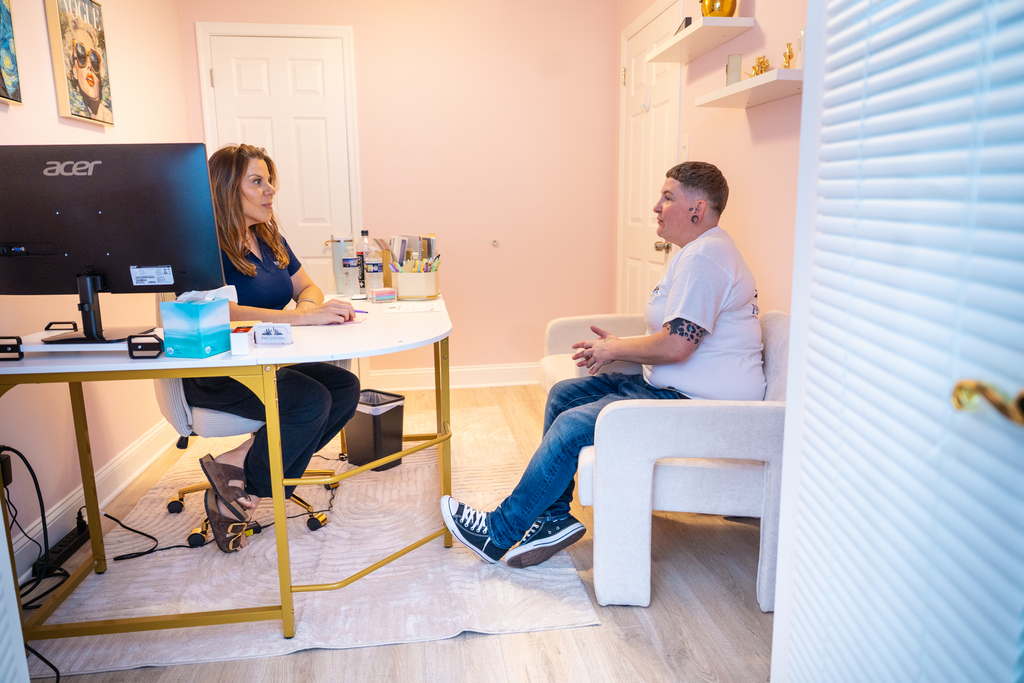
Philadelphia Recovery Solutions has opened a new outpatient addiction-treatment center at 2300 S. Broad Street in South Philadelphia.
The provider says the location offers partial hospitalization and intensive outpatient programming for adults who need structured care but do not necessarily require an overnight residential setting.
The center occupies Suites 202 and 203 in the Rota Building. Public descriptions of the program include group and individual therapy, case management, community-resource navigation, medical oversight and psychiatric support.
Founder Rachel Murray and Executive Director Dave Romero have presented the location as a community-based option designed to help clients receive treatment while remaining connected to work, family and daily responsibilities.
Partial hospitalization programs, commonly called PHP, generally provide a higher number of treatment hours per week than intensive outpatient programs.
IOP can serve people who need more structure than standard weekly outpatient counseling while allowing them to live at home or in supportive housing.
Exact schedules, clinical requirements and services vary by provider, so prospective clients should ask how Philadelphia Recovery Solutions defines each level of care.
The opening is relevant in a city where people often need more than therapy alone. Transportation, identification documents, insurance, housing, employment, primary care and mental-health needs can all affect whether someone begins and remains in treatment.
Case management and resource navigation may help address those obstacles, but families should ask which services are provided directly, which are referrals and what assistance continues after a program is completed.
Media coverage of the opening reported that the center accepts commercial insurance and expected to add Medicaid participation.
Because payer enrollment can change and may differ by specific plan, readers should not assume coverage. Verify current participation with both the facility and the insurance company, ask about deductibles and copayments, and request a written explanation of any self-pay responsibility before admission.
Public Pennsylvania records identify Philadelphia Recovery Solutions at the South Broad Street address.
A directory listing or opening announcement does not establish that every advertised service is available to every person on the day they call. Prospective clients should confirm the provider’s current state licensing, clinical scope, hours, availability, medication policies, accessibility and emergency procedures.
People experiencing severe withdrawal, overdose risk, medical instability or an immediate psychiatric crisis may need emergency or inpatient services rather than outpatient care. A qualified assessment should determine the appropriate level of care.
Why This Matters
Outpatient capacity is an essential part of a functioning treatment system. Many people cannot leave children, employment, school or other responsibilities for residential care, while others are stepping down from a hospital or inpatient program and need continued structure.
PHP and IOP can fill the space between brief weekly visits and round-the-clock care.
Location also matters. A program positioned along South Broad Street may be reachable by public transit for residents across South Philadelphia and adjoining neighborhoods.
Access on paper, however, is not the same as access in practice. Prompt assessments, clear insurance information, evening or flexible scheduling and reliable links to medication, housing and peer support will determine how useful the new center becomes.
Addiction Recovery Pro Perspective
Addiction Recovery Pro welcomes the addition of structured outpatient options in Philadelphia. Recovery rarely follows one fixed path, and people need levels of care that can adjust as clinical needs and life circumstances change.
A center offering PHP, IOP, psychiatric support and case management has the potential to become an important bridge between stabilization and long-term community recovery.
ARP is especially encouraged by the attention to community-resource navigation. Treatment outcomes can be affected by needs that do not fit neatly inside a therapy session.
Helping clients connect with medical care, housing, transportation, benefits and recovery support can strengthen the work performed in the program.
At the same time, ARP encourages every provider to make admissions information easy to verify. Current payer participation, program hours, licensing, medication access, clinical credentials and referral relationships should be stated plainly.
This report covers a confirmed opening and public service descriptions. It is not a clinical evaluation, endorsement or claim that Philadelphia Recovery Solutions is an ARP facility partner.
WHAT THIS MEANS TO THE WORLD OF RECOVERY: The Philadelphia opening reflects a national shift toward building stronger community-based levels of care.
A sustainable recovery system needs residential programs, but it also needs places where people can continue treatment while rebuilding ordinary life.
Well-connected outpatient programs can reduce abrupt discharges, support earlier intervention and give hospitals, courts, employers and families another referral option.
The important outcomes will extend beyond enrollment. Philadelphia should watch time to assessment, retention, completion, connection to medications when appropriate, transition to continuing care and client-reported stability in housing and employment.
Those measures can show whether a new program is expanding meaningful access rather than simply adding another address to a directory.
Treatment options in this location
Explore addiction treatment options in Philadelphia, Pennsylvania.
Original sources
Explore Treatment and Recovery Resources
Search licensed treatment facilities and recovery support by state and city.
Explore Treatment and Recovery ResourcesAddiction Recovery Pro provides educational and informational resources. This article is not medical advice, diagnosis, treatment, legal advice or emergency assistance. Information may change after publication. Consult qualified professionals and original sources when making health, legal or treatment decisions.