Recovery 180 Plans December Opening for Taneytown Residential Program
Recovery 180 has announced a December 3 opening event for a new Level 3.1 residential addiction-treatment program in Taneytown, Maryland. The provider says the program will accept Maryland Medicaid and serve adults who need more structure than outpatient care without medically intensive residential treatment.
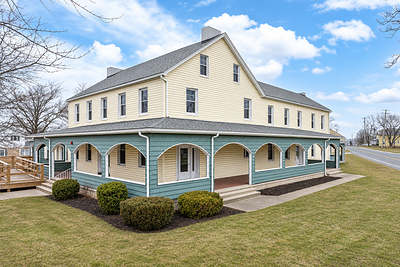
Recovery 180 has announced plans to open a new low-intensity residential addiction-treatment program in Taneytown, Maryland, expanding treatment access in Carroll County and surrounding communities.
The provider has scheduled a public open house and ribbon cutting for December 3, 2026, from 11 a.m. until 2 p.m. at 162 West Baltimore Street. Recovery 180 describes the location as Taneytown’s first residential Level 3.1 treatment facility and the largest program of its kind in Carroll County.
The provider’s current location page still labels the program “Coming soon.” Individuals and families should therefore not assume that admissions are currently available. The December event is an announced opening milestone, and operational status should be confirmed directly with Recovery 180 before anyone relies on the program for immediate placement.
What Level 3.1 treatment means
ASAM Level 3.1 is commonly described as clinically managed, low-intensity residential treatment. People live in a structured recovery environment while receiving scheduled clinical services and support.
Maryland regulations state that Level 3.1 programs serve people who meet the applicable placement criteria, are capable of self-care but are not ready to return to independent or family living, and need help preventing relapse, applying recovery skills and reintegrating into the community.
This level of care is different from a hospital, medical-detox program or medically intensive residential facility. It may be appropriate for someone who needs more daily structure than ordinary outpatient treatment provides but does not require continuous medical management.
Placement should always be determined through an individualized assessment. A facility’s Level 3.1 designation does not mean it is appropriate for every person seeking residential care.
Services announced for Taneytown
Recovery 180 says its Taneytown program will provide a structured sober living environment supported by therapy, counseling, peer support, life-skills development and coordinated medical care.
The provider also highlights activities that can help residents practice stability outside formal treatment, including budgeting, nutrition, time management and connection to community resources. Those practical skills can become important as people prepare for employment, housing responsibilities and a gradual return to greater independence.
Recovery 180 says it accepts Maryland Medicaid. Coverage and authorization should still be confirmed before admission. Medicaid participation does not guarantee that every service, length of stay or individual admission will be approved.
CARF International currently lists Recovery180 LLC’s Taneytown location with three-year accreditation for adult substance-use community housing and outpatient treatment. The listing identifies addresses on West Baltimore Street and the provider’s public telephone number.
Keeping treatment closer to home
The Taneytown location is positioned to serve residents of Carroll County and communities near Westminster, Frederick and the Maryland-Pennsylvania border.
When appropriate care is available closer to home, families may find it easier to participate in treatment planning, attend permitted visits or family services and help prepare for the person’s return to the community. Local access may also make it easier for a residential provider to establish relationships with nearby outpatient clinicians, recovery groups, employers, housing programs and medical practices.
Remaining close to home is not automatically the best choice for every person. Some individuals benefit from physical distance from familiar triggers or unsafe environments. The most appropriate setting depends on clinical needs, safety, support systems and the person’s recovery plan.
Questions to ask before admission
Before relying on the announced program, prospective clients and referral sources should ask:
- Is the Taneytown program currently licensed and accepting admissions?
- What admission and exclusion criteria apply?
- Which adults are appropriate for Level 3.1 care?
- What Maryland Medicaid plans are accepted?
- Is prior authorization required?
- Which clinical services are delivered on site?
- How are medications and co-occurring mental health conditions managed?
- What happens if someone needs detoxification or a more intensive level of care?
- How does discharge planning connect residents with outpatient treatment, medication, housing, employment and peer support?
The public open house may provide community members and referral partners an opportunity to tour the location, meet staff and ask how the program will coordinate with other services in the region.
Anyone experiencing a medical emergency or possible overdose should call 911. For a mental-health or suicidal crisis, call or text 988.
Why This Matters
Level 3.1 residential care occupies an important place in the treatment continuum. Some people no longer require hospital-level or medically intensive treatment but still need a stable living environment, daily accountability and continued clinical support. Returning immediately to an unstable home, untreated mental health needs or limited recovery support can make early progress difficult to maintain.
A new Carroll County program may give eligible Maryland residents another option without requiring them to leave the region. That proximity can strengthen family involvement and improve coordination with local outpatient, medical and recovery services.
Medicaid participation is also significant. Families often assume that residential treatment is available only to people with commercial insurance or the ability to pay privately. A provider that participates in Maryland Medicaid may expand access for people who would otherwise face substantial financial barriers.
However, an announced opening is not the same as confirmed admission availability. The program’s value will depend on licensing, staffing, payer authorization, referral coordination and its ability to connect residents with sustainable support after discharge.
Addiction Recovery Pro Perspective
Addiction Recovery Pro views the Taneytown announcement as a positive development for Maryland’s treatment continuum. Recovery does not end when a person becomes medically stable. Many people need time, structure and practical support to rebuild routines, strengthen recovery skills and prepare for independent living.
We are particularly encouraged by the program’s stated focus on life skills, peer support and community reintegration. Treatment becomes more useful when it helps people prepare for the everyday realities they will face after leaving a residential setting.
The provider’s stated acceptance of Maryland Medicaid may also make this level of care reachable for more families. ARP supports efforts that reduce financial barriers while maintaining appropriate clinical standards and transparent admission practices.
At the same time, we want readers to understand precisely what Level 3.1 does and does not provide. It is not the same as medical detoxification, hospitalization or continuous medically managed residential care. A person who may experience dangerous withdrawal symptoms or requires a higher level of medical supervision should receive an appropriate professional assessment.
ARP will treat the Taneytown program as an announced opening until its active operating status and admission availability are confirmed. That distinction protects families from relying on a future service as though a bed were available today.
Original sources
Explore Treatment and Recovery Resources
Search licensed treatment facilities and recovery support by state and city.
Explore Treatment and Recovery ResourcesAddiction Recovery Pro provides educational and informational resources. This article is not medical advice, diagnosis, treatment, legal advice or emergency assistance. Information may change after publication. Consult qualified professionals and original sources when making health, legal or treatment decisions.