Apricity Expansion Would Increase Women's Residential Treatment Capacity From 39 to 70 Beds
Apricity has launched the public phase of a $13 million Wisconsin recovery-campus expansion that would increase Casa Clare's residential treatment capacity for women from 39 to 70 beds.
Apricity has launched the public phase of a $13 million expansion campaign designed to increase access to residential substance-use-disorder treatment and strengthen the connection between treatment, employment and continuing recovery support in Northeast Wisconsin.
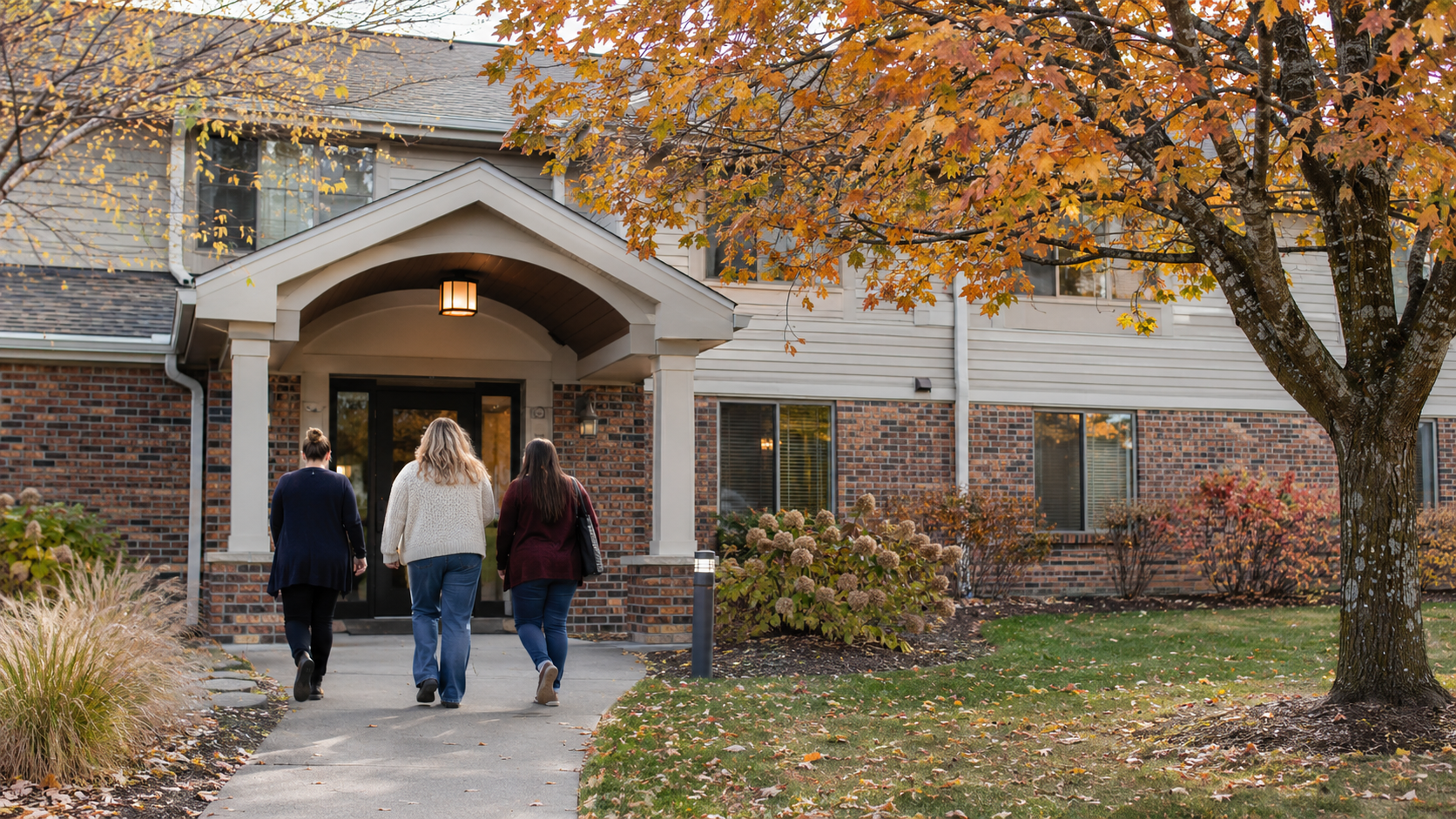
The project centers on Apricity's recovery campus in Grand Chute and its Casa Clare residential treatment program for women. According to the organization and local reporting, the expansion would increase Casa Clare's capacity from 39 to 70 beds.
Apricity reported that approximately $11.2 million had already been raised toward the $13 million goal when the public phase of the campaign was announced. Construction and expansion work began before the public campaign, but the organization is still raising the remaining funds needed to complete the broader project.
The expansion is intended to create more than additional sleeping space. Apricity describes the project as a unified recovery campus that brings residential treatment, employment opportunities, recovery support and community services together.
Apricity provides treatment, sober-living support, employment services and education for people affected by substance-use disorders. Its employment model includes contract-packaging work that can help people rebuild job skills, confidence and financial stability while remaining connected to a recovery-supportive environment.
Local reporting says people receiving residential treatment may remain in programming for approximately 45, 60 or 90 days, depending on their needs and treatment plan. As individuals progress, they may begin attending outside meetings, working or preparing for the next phase of recovery while continuing to receive structure and support.
The organization also plans to strengthen access to recovery coaches and assistance with next steps, including finding appropriate sober living arrangements and connecting with continuing recovery resources.
Apricity has cited treatment waitlists lasting approximately two to five weeks at times. That delay can be significant because readiness for treatment may not remain constant. When someone asks for help, a long wait can increase the possibility that the person disengages, returns to substance use or experiences another medical, legal or family crisis before admission becomes available.
Increasing the number of beds may allow Apricity to admit more women when they are ready to begin treatment. The long-term value of the project will also depend on staffing, licensing, intake procedures, payment options and how quickly the additional capacity becomes operational.
The announced 70-bed capacity should be understood as the planned capacity after the expansion. Families should contact Apricity directly to confirm how many beds are currently open, whether there is a waitlist, which insurance or payment arrangements are accepted and what documentation or clinical assessment is required.
People should also verify the level of care being offered. Residential treatment, sober living, outpatient services and recovery-support programs serve different purposes and should not be treated as interchangeable.
The expansion provides an example of how treatment capacity and long-term recovery infrastructure can be developed together. A residential stay may help stabilize someone and begin the recovery process, but employment, housing, transportation, family support and continuing care frequently influence what happens after discharge.
Why This Matters
The most immediate significance is the potential addition of 31 residential treatment beds for women in Northeast Wisconsin. Apricity's reported waitlists indicate that the project responds to an existing access problem rather than simply adding unused space.
For a woman seeking treatment, the difference between immediate admission and a delay of several weeks can be substantial. Families may already be dealing with overdose risk, unstable housing, loss of employment, child-custody concerns or worsening physical and mental health. Additional capacity can create more opportunities to begin care during the period when someone is willing and able to accept help.
The project also matters because it connects treatment with the practical demands of rebuilding a life. Employment support, recovery coaching and assistance with continuing housing can help people move from a structured treatment environment into a more sustainable recovery plan.
The expansion will not eliminate every access barrier. People may still face insurance limitations, transportation difficulties, eligibility requirements or the need for a different level of care. The public benefit will therefore depend on whether the new capacity is supported by sufficient clinical staff, clear intake information and strong connections with other community providers.
Addiction Recovery Pro Perspective
Addiction Recovery Pro views Apricity's expansion as a positive investment in both treatment access and continuing recovery. Increasing the number of residential beds is important, but the project's strongest feature may be its effort to connect clinical treatment with employment, recovery coaching and preparation for the next stage of life.
Recovery does not end when someone completes a residential program. People often leave treatment needing stable housing, meaningful work, medical care, counseling, peer support and a realistic plan for managing daily responsibilities. Programs that begin addressing those needs before discharge may help reduce the sharp transition between highly structured care and independent living.
ARP also believes capacity announcements should be communicated precisely. The planned increase to 70 beds should not be presented as currently available capacity until the expansion is complete and Apricity confirms that the additional beds are licensed, staffed and accepting admissions.
As the project progresses, the most useful information for families will include the completion date, current wait time, eligibility requirements, insurance and payment options, treatment duration, services for co-occurring mental-health needs and the process for entering care.
Original sources
Explore Treatment and Recovery Resources
Search licensed treatment facilities and recovery support by state and city.
Explore Treatment and Recovery ResourcesAddiction Recovery Pro provides educational and informational resources. This article is not medical advice, diagnosis, treatment, legal advice or emergency assistance. Information may change after publication. Consult qualified professionals and original sources when making health, legal or treatment decisions.